Discover why sleep apnea is often undiagnosed in women and learn the signs to watch for. Improve your health by understanding this common condition.
Gender Bias in Sleep Apnea Diagnosis
Historical Perspectives on Sleep Disorders
For decades, sleep apnea has been viewed primarily through the lens of male experience. Historically, sleep disorders were often studied and treated with a focus on male patients, leading to a significant knowledge gap regarding how these conditions manifest in women. Early sleep research predominantly involved male subjects, which skewed the understanding of sleep apnea’s symptoms, prevalence, and implications for women. In fact, a review of studies published in the past century reveals that women were underrepresented in sleep disorder research, with many studies failing to report sex-specific outcomes.
Male-Centric Research Trends
The overwhelming dominance of male-centric research trends has perpetuated a cycle where women's unique health needs and symptoms are overlooked. According to a study published in the journal Sleep Medicine Reviews, only 30% of sleep apnea studies included female participants, and the findings were often generalized across genders. This lack of inclusion not only impacts researchers' understanding of sleep apnea in women but also contributes to an unbalanced approach to diagnosis and treatment. For example, the diagnostic criteria for obstructive sleep apnea (OSA) were primarily developed based on male-centric data, leading to an underestimation of the prevalence and severity of the condition in women.
Impact of Gender Stereotypes on Symptoms
Gender stereotypes also play a crucial role in the under-diagnosis of sleep apnea among women. Many women may exhibit symptoms that deviate from the classic presentation of sleep apnea, such as insomnia or anxiety, which are frequently misattributed to stress or lifestyle factors rather than a sleep disorder. Furthermore, societal expectations often compel women to prioritize caregiving and household responsibilities over their personal health, leading them to dismiss their symptoms as insignificant. A survey by the National Sleep Foundation indicated that women are more likely than men to report sleep disturbances as a result of external stressors, which can further mask the underlying issue of sleep apnea.
Diverse Symptoms in Women
Common Misinterpretations of Symptoms
Women with sleep apnea often experience symptoms that differ from the classic presentations typically associated with the disorder. While men may commonly report loud snoring and witnessed apneas, women may experience fatigue, mood swings, and even depression. These symptoms can be easily misinterpreted as signs of other conditions, leading to misdiagnosis or delayed diagnosis. For instance, a woman experiencing chronic fatigue may attribute her lack of energy to parenting responsibilities or work stress rather than recognizing it as a potential sign of sleep apnea.
Unique Symptoms in Women Compared to Men
The unique symptoms of sleep apnea in women can include:
- Insomnia: Women may experience more sleep fragmentation and insomnia symptoms than men, which can mask the underlying issue of sleep apnea.
- Daytime Sleepiness: While both genders report excessive daytime sleepiness, women may also express irritability and difficulty concentrating.
- Headaches: Morning headaches are more commonly reported by women, which can be an overlooked symptom of sleep apnea.
These unique manifestations can lead healthcare providers to overlook a sleep apnea diagnosis in women, further compounding the issue of underdiagnosis.
The Role of Hormonal Fluctuations
Hormonal fluctuations throughout a woman's life, including during menstruation, pregnancy, and menopause, can significantly affect sleep patterns and exacerbate sleep apnea symptoms. For instance, research indicates that women undergoing menopause often experience increased severity of sleep apnea due to hormonal changes that impact upper airway patency. This interplay between hormones and sleep apnea underscores the need for a nuanced understanding of sleep disorders in women, yet many healthcare providers remain unaware of these connections, leading to misdiagnosis or inadequate treatment.
Lack of Awareness and Education
Public Understanding of Sleep Apnea
Public understanding of sleep apnea is limited, particularly regarding how it affects women. Many people associate sleep apnea predominantly with snoring and obesity, neglecting the subtler, more complex presentations in women. Awareness campaigns often fail to highlight the unique symptoms women may face, leading to a knowledge gap that affects both patients and healthcare providers. A study by the American Academy of Sleep Medicine found that only 35% of women could accurately identify the symptoms of sleep apnea compared to 55% of men, indicating a significant disparity in public awareness.
Healthcare Provider Training Gaps
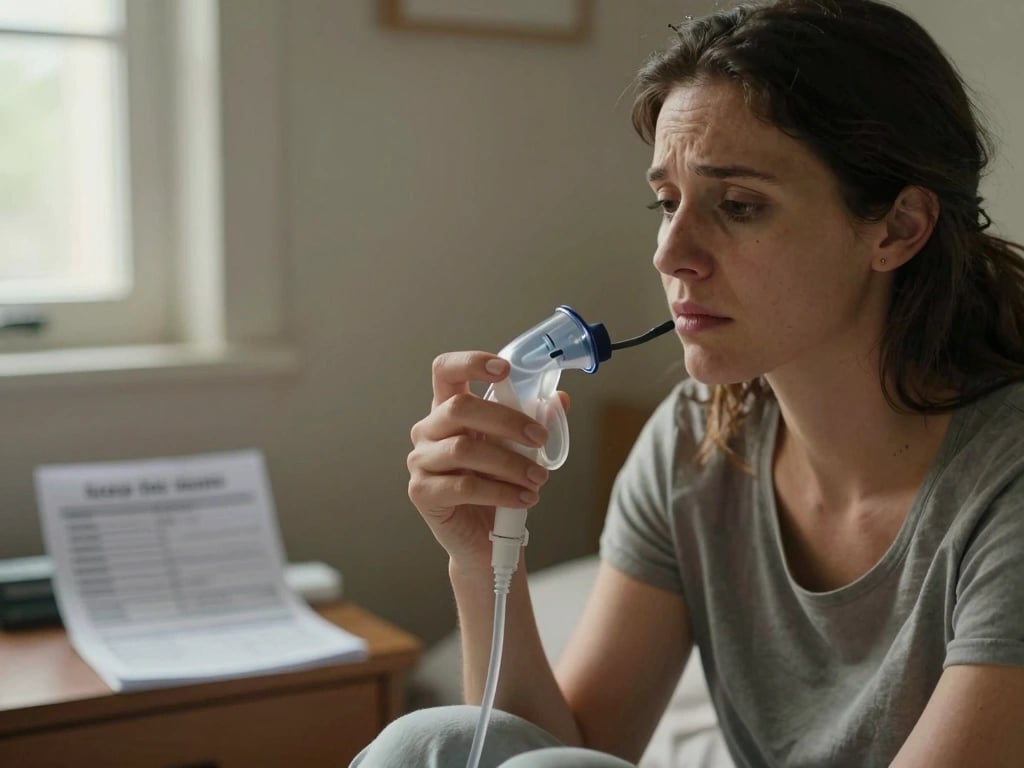
Healthcare providers also play a pivotal role in the diagnosis of sleep apnea, yet many are inadequately trained to recognize its diverse symptoms in women. Medical education often emphasizes male presentations of diseases, leading to a lack of familiarity with how conditions like sleep apnea manifest differently in women. A survey of sleep specialists revealed that many felt unprepared to diagnose sleep apnea in women due to insufficient training and resources. This gap in education can lead to missed opportunities for early intervention and treatment, leaving many women suffering from undiagnosed sleep apnea.
Influence of Media Representation
Media representation of sleep disorders often perpetuates stereotypes that further obscure women's experiences with sleep apnea. Television shows, advertisements, and articles frequently depict sleep apnea as a male-dominated issue, reinforcing misconceptions that only men are affected. This portrayal can discourage women from seeking help or recognizing their symptoms as serious medical concerns. Efforts to improve media representation of sleep disorders must be prioritized to raise awareness and promote understanding of the condition among women.
Societal and Cultural Influences
Stigma Around Women’s Health Issues
Societal stigma surrounding women’s health issues can significantly impact the willingness of women to seek help for sleep apnea. Many women face cultural pressures to appear strong and self-sufficient, which can lead them to dismiss their health concerns. This stigma is particularly pronounced in cultures where women are expected to prioritize family and caregiving roles over their personal health. As a result, women may suffer in silence, allowing their symptoms to worsen without seeking medical advice.
Variations in Healthcare Seeking Behavior
Research indicates that women are more likely to delay seeking medical attention compared to men, often attributing their symptoms to stress or other life circumstances. A study published in the Journal of Clinical Sleep Medicine found that women are less likely to report symptoms of sleep apnea during routine health visits, often due to fear of being dismissed or not taken seriously. This tendency to prioritize others’ health over their own can lead to a significant delay in diagnosis and treatment for sleep apnea, which can have serious consequences for their overall health.
Impact of Caregiver Roles on Health Prioritization
Many women are often caregivers, balancing family, work, and personal responsibilities, which can result in their health being deprioritized. This caregiver role can lead women to neglect their own symptoms of sleep apnea as they focus on caring for others. A survey by the National Institutes of Health found that 60% of women reported that family obligations influenced their decision to seek medical care, indicating a significant barrier to diagnosis. As a result, many women may endure the effects of sleep apnea without proper treatment, affecting their health and well-being.
Consequences of Undiagnosed Sleep Apnea in Women
Short-Term Health Implications
The short-term health implications of undiagnosed sleep apnea in women can be profound. Women may experience increased fatigue, mood swings, and cognitive impairments, which can impact their ability to perform daily tasks, maintain relationships, and fulfill work responsibilities. For instance, a woman suffering from untreated sleep apnea might find it increasingly difficult to concentrate at work, leading to reduced productivity and potential job loss. Additionally, the risk of accidents, both at work and while driving, increases significantly when sleep apnea goes untreated, posing a danger not only to the individual but to others as well.
Long-Term Health Risks
In the long term, the consequences of undiagnosed sleep apnea in women can lead to severe health risks. Women with untreated sleep apnea are at an increased risk for cardiovascular diseases, including hypertension, heart attacks, and strokes. A study in the journal Circulation found that women with sleep apnea had a 30% higher risk of developing cardiovascular issues compared to those without the condition. Moreover, untreated sleep apnea can contribute to metabolic disorders, including diabetes, and can exacerbate existing conditions such as depression and anxiety.
Effects on Quality of Life and Relationships
The effects of undiagnosed sleep apnea extend beyond physical health, deeply affecting quality of life and interpersonal relationships. Women may experience decreased overall life satisfaction due to fatigue and emotional distress caused by untreated sleep apnea. Relationships can suffer as partners may report dissatisfaction due to changes in mood, irritability, or the need for increased caregiving. Furthermore, sleep disturbances can lead to a lack of intimacy and connection, creating emotional rifts between partners. Ultimately, the combination of physical, emotional, and relational impacts illustrates the urgent need for increased awareness and diagnosis of sleep apnea in women.