Discover the key differences between A1C and fasting glucose tests. Understand how each measures blood sugar levels and what it means for your health.
Understanding A1C: What It Measures
Definition and Purpose of A1C
A1C, also known as HbA1c or glycated hemoglobin, is a blood test that provides an average of a person's blood sugar levels over the past two to three months. It measures the percentage of hemoglobin molecules in red blood cells that have glucose attached to them. The primary purpose of the A1C test is to assess long-term glucose control in individuals with diabetes and to help healthcare providers determine the most effective treatment plans.
How A1C Reflects Blood Sugar Levels
The A1C test reflects blood sugar levels over time because red blood cells have a lifespan of approximately 120 days. When blood sugar levels are consistently high, more glucose binds to hemoglobin, resulting in a higher A1C percentage. For example, an A1C level of 6.5% or higher is indicative of diabetes, while levels between 5.7% and 6.4% suggest prediabetes. This long-term perspective is crucial for identifying trends in glycemic control, rather than relying on isolated readings.
Importance of A1C in Diabetes Management
The A1C test is fundamental in diabetes management for several reasons:
- Monitoring Treatment Efficacy: Regular A1C testing helps assess how well diabetes management strategies, such as medication, diet, and exercise, are working.
- Risk Stratification: It assists in identifying patients at higher risk for complications related to diabetes, such as cardiovascular disease and neuropathy.
- Guiding Treatment Decisions: A1C results can prompt healthcare providers to adjust treatment plans or introduce new therapies if target levels are not being met.
The Role of Fasting Glucose in Diabetes Diagnosis
What Fasting Glucose Indicates
Fasting glucose refers to the blood sugar level measured after an overnight fast (typically for at least 8 hours). It is a crucial test for diagnosing diabetes and prediabetes. A fasting glucose level of 126 mg/dL (7.0 mmol/L) or higher indicates diabetes, while levels between 100 mg/dL (5.6 mmol/L) and 125 mg/dL suggest prediabetes. This test specifically measures the efficiency of insulin in regulating blood sugar levels in the absence of recent food intake.
How Fasting Glucose is Tested
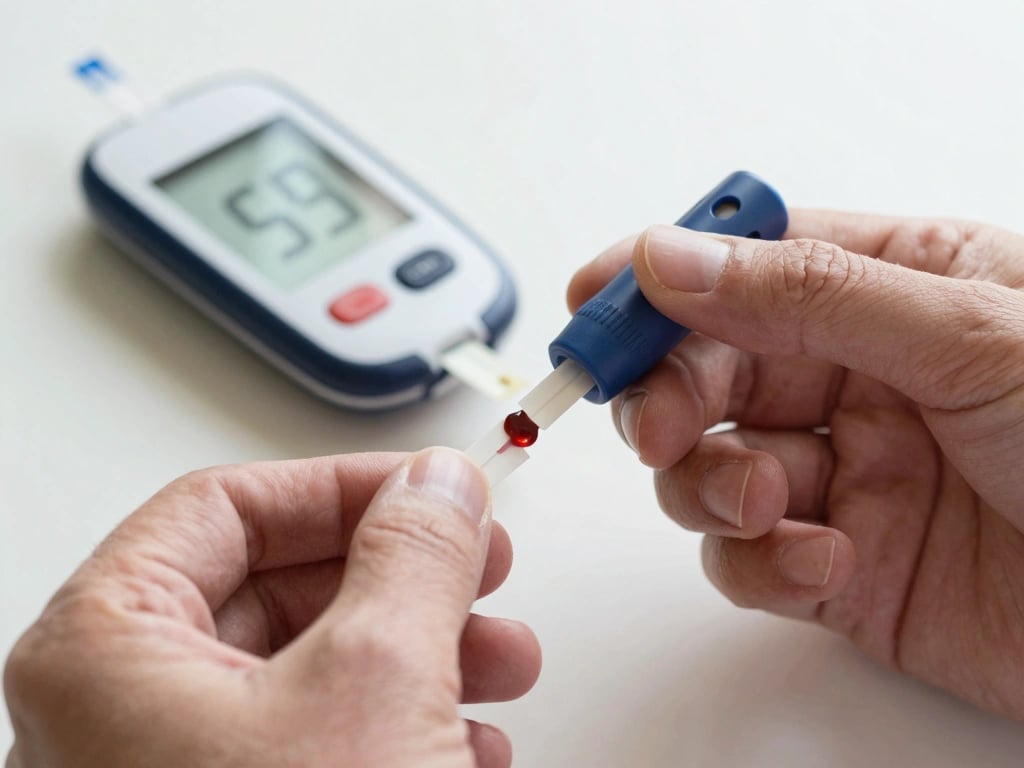
To conduct a fasting glucose test, a healthcare professional will take a blood sample from a vein or via a fingerstick. Patients are instructed not to eat or drink anything except water for at least 8 hours prior to the test to ensure accurate results. This simplicity and accessibility make fasting glucose testing a common choice in both clinical and outpatient settings.
Fasting Glucose vs. Random Glucose Levels
While fasting glucose provides a snapshot of blood sugar levels after a period of fasting, random glucose tests can be performed at any time, regardless of food intake. A random glucose level of 200 mg/dL (11.1 mmol/L) or higher may also indicate diabetes. However, random glucose tests can be influenced by recent meals, making them less reliable for diagnosing diabetes compared to fasting glucose tests.
Comparative Analysis: A1C vs. Fasting Glucose
Measurement Timeframes and Their Implications
The primary difference between A1C and fasting glucose tests lies in the timeframe they represent. A1C reflects average blood glucose levels over the past two to three months, providing a broader view of a person's metabolic control. In contrast, fasting glucose is a snapshot of blood sugar levels at a single point in time. This distinction is crucial when considering the management of diabetes, as A1C can indicate trends and long-term control, while fasting glucose can help in immediate decision-making.
Accuracy and Reliability of Each Test
Both tests have their advantages and disadvantages regarding accuracy and reliability:
- A1C: A1C is generally considered reliable for monitoring long-term glucose levels, but it may be affected by conditions such as anemia or blood disorders that alter hemoglobin levels.
- Fasting Glucose: Fasting glucose tests can be influenced by factors such as stress, illness, or recent food intake (in the case of non-fasting tests), making them less consistent on their own.
In clinical practice, both tests are often used in conjunction to provide a comprehensive view of an individual's glucose metabolism.
When to Use A1C vs. Fasting Glucose
Healthcare providers typically use A1C for ongoing monitoring and management of diabetes, while fasting glucose is primarily used for initial diagnosis and screening. For instance, when a patient presents with symptoms of diabetes, a fasting glucose test may be ordered first. If the results are abnormal, an A1C test may follow to confirm the diagnosis and assess long-term control.
Interpreting A1C and Fasting Glucose Results
Understanding Normal vs. Abnormal Ranges
Understanding the ranges for A1C and fasting glucose is essential for effective diabetes management:
- A1C:Normal: Below 5.7%
- Prediabetes: 5.7% to 6.4%
- Diabetes: 6.5% or higher
Fasting Glucose:
- Normal: Below 100 mg/dL
- Prediabetes: 100 to 125 mg/dL
- Diabetes: 126 mg/dL or higher
These ranges serve as essential benchmarks for healthcare providers and patients alike, facilitating timely interventions when necessary.
What High or Low Levels Mean for Health
High levels of A1C or fasting glucose indicate poor glycemic control and an increased risk of diabetes-related complications. For example, persistently high A1C levels can lead to cardiovascular disease, neuropathy, and kidney damage. Conversely, low levels of fasting glucose can indicate hypoglycemia, which may lead to symptoms such as shakiness, confusion, or fainting, necessitating immediate intervention.
Factors Influencing Test Results
Several factors can influence A1C and fasting glucose results, including:
- Diet: High carbohydrate intake before a fasting glucose test can skew results.
- Medications: Certain medications (e.g., corticosteroids) can raise blood sugar levels.
- Health Conditions: Conditions like anemia or kidney disease can affect hemoglobin and glucose metabolism, impacting A1C readings.
- Stress and Illness: Both can temporarily elevate blood sugar levels.
Being aware of these influencing factors is crucial for both patients and healthcare providers when interpreting test results.
Clinical Guidelines for A1C and Fasting Glucose Monitoring
Recommendations for Diabetes Screening
Clinical guidelines recommend that adults aged 45 years and older be screened for diabetes using either A1C or fasting glucose tests. If results are normal, screening should continue every three years. For younger adults with risk factors, such as obesity or a family history of diabetes, earlier testing is advised.
Frequency of Testing for Individuals at Risk
Individuals diagnosed with prediabetes or at high risk for type 2 diabetes should be tested at least once a year. Those diagnosed with diabetes should have their A1C checked every three to six months, depending on their treatment goals and stability of their blood sugar levels. Regular monitoring allows for timely adjustments to treatment plans and helps prevent complications.
Integration of A1C and Fasting Glucose in Treatment Plans
Healthcare providers often integrate both A1C and fasting glucose results into a comprehensive treatment plan. For instance, a patient with an A1C of 7.0% and a fasting glucose of 130 mg/dL may require adjustments in medication, dietary changes, and increased physical activity to achieve better control. This integrated approach ensures that both short-term and long-term glucose management strategies are aligned, ultimately improving patient outcomes.