Discover why NHL prospects spend years in junior hockey development, honing skills and gaining experience needed for success in the professional leagues.
The Importance of Skill Development in Junior Hockey
Junior hockey serves as a critical developmental stage for NHL prospects, providing a structured environment where young athletes can refine their skills and gain invaluable experience. The emphasis on skill development in junior leagues plays a pivotal role in preparing players for the demands of professional hockey.
Focused Training Regimens
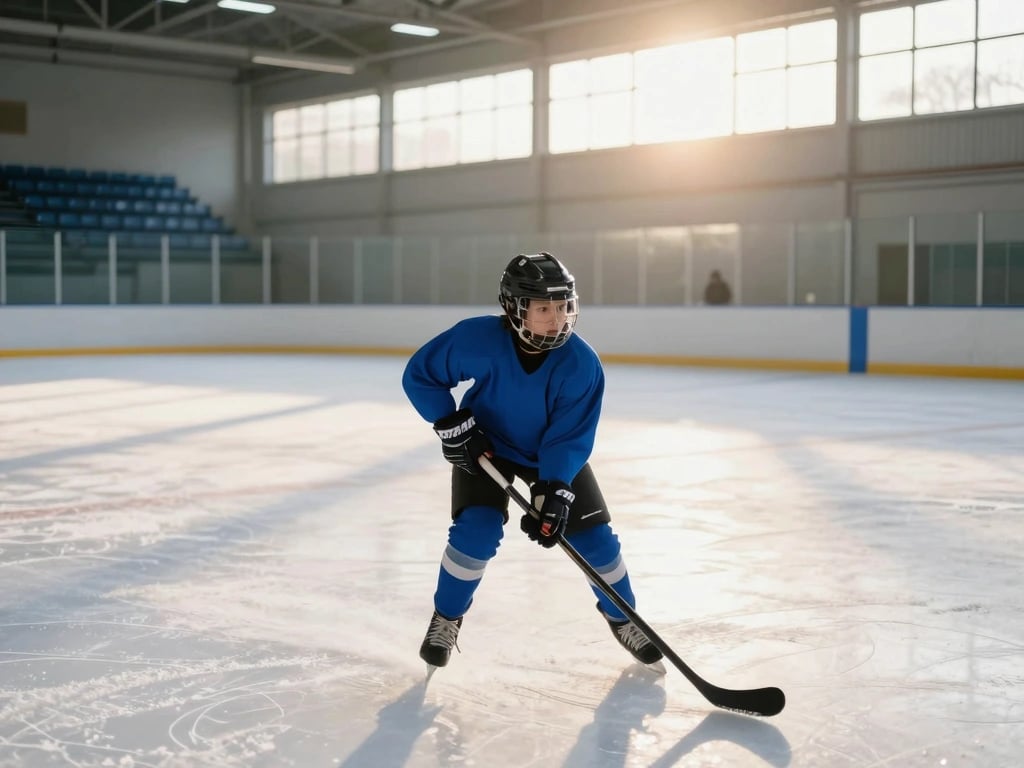
Junior hockey teams typically implement focused training regimens tailored to the specific needs of their players. This often includes specialized drills that target essential skills such as puck handling, shooting accuracy, and skating speed. For instance, many junior teams utilize off-ice training facilities that include advanced shooting simulators and strength training equipment tailored for young athletes. Programs like the Canadian Hockey League's (CHL) "Player Development Program" emphasize not just physical training but also mental conditioning, ensuring that prospects are well-rounded. These focused regimens help players develop a strong foundation, which is crucial when transitioning to the faster pace and higher skill levels of the NHL.
Game Experience and Situational Awareness
Experience is invaluable in hockey, and junior leagues provide players with ample opportunities to engage in real-game situations. Players learn to read the game, understand situational tactics, and make split-second decisions under pressure. For example, a player like Connor McDavid spent two years with the Erie Otters in the Ontario Hockey League (OHL), where he not only honed his skills but also developed his ability to anticipate plays and react accordingly. In junior hockey, players face a variety of opponents, each with unique playing styles. This exposure helps prospects learn to adapt and adjust their gameplay. Such experiences are crucial for developing situational awareness, which is often cited as a differentiator between successful NHL players and their peers.
Individualized Coaching and Mentorship
Junior hockey teams often have dedicated coaching staff that provide individualized attention to players. Coaches focus on personal development, identifying strengths and areas for improvement. This mentorship relationship allows players to receive constructive feedback and personalized strategies to enhance their performance. For instance, coaches in leagues like the Western Hockey League (WHL) often employ video analysis to break down a player's performance, highlighting areas that need attention. This focused approach allows players to work on specific skills and strategies, ultimately preparing them for the complexities of NHL play.
The Physical Maturation Process
Another critical aspect of a player's development in junior hockey is the physical maturation process. Many NHL prospects are still growing and developing during their junior years, making it essential for them to gain the physical strength and conditioning necessary to compete at a professional level.
Growth Spurts and Strength Training
Adolescence is marked by significant physical changes, and junior hockey players often experience growth spurts that can affect their performance. During this time, strength training becomes vital. Junior teams typically incorporate strength and conditioning programs designed for young athletes, focusing on building core strength, agility, and endurance. Programs like "Hockey Canada’s Strength and Conditioning Program" help athletes to improve their physical capabilities safely and effectively. The focus on strength training ensures that players are not only growing taller but are also developing the muscle mass needed to compete against stronger opponents in the NHL.
Injury Prevention and Management
With the increased physical demands of hockey, injury prevention becomes paramount. Junior hockey programs often emphasize injury prevention strategies, including proper warm-up routines and techniques for safe body contact. This focus helps to reduce the risk of common injuries such as concussions and muscle strains. For example, many junior leagues have adopted the "Hockey Canada Concussion Protocol," which educates players about symptoms and management of concussions. By instilling these practices early, players are more likely to enter the NHL with a better understanding of how to care for their bodies and avoid injuries.
Adapting to the Physicality of Professional Play
The transition from junior hockey to the NHL involves adapting to a significantly higher level of physicality. Players must learn how to handle aggressive play and body checking, which are more prevalent in the professional ranks. Junior leagues provide an environment where players can gradually adjust to this intensity. For instance, players like Auston Matthews have noted the difference in physical play between junior and the NHL. The experience gained in junior leagues—where players often face opponents who are also physically mature—prepares them for the rigors of professional competition.
Understanding the Competitive Landscape
The competitive landscape of junior hockey is another crucial factor that contributes to the prolonged development of NHL prospects. Competing against high-level peers forces players to elevate their game and develop resilience.
High-Level Competition Among Peers
Junior hockey features some of the most competitive environments in sports, with many players vying for attention from NHL scouts. The intensity of competition not only pushes players to improve but also helps them understand the level of skill required to succeed at the next level. For example, during the 2020-2021 season, the QMJHL (Quebec Major Junior Hockey League) showcased numerous players who would eventually be drafted into the NHL. The competition against these future stars drives players to refine their skills continually, ensuring they are ready for the challenges of professional hockey.
Learning to Handle Pressure and Expectations
The pressure to perform in junior hockey can be immense, with scouts and fans closely watching players' every move. Learning to manage this pressure is essential for success in the NHL. Junior players often face high-stakes situations, such as playoff games, where they must perform under stress. Players like Jack Hughes, who played for the U.S. National Team Development Program before entering the NHL, have discussed how they learned to thrive in high-pressure situations, a skill that has proven invaluable in their professional careers.
Building a Winning Mentality
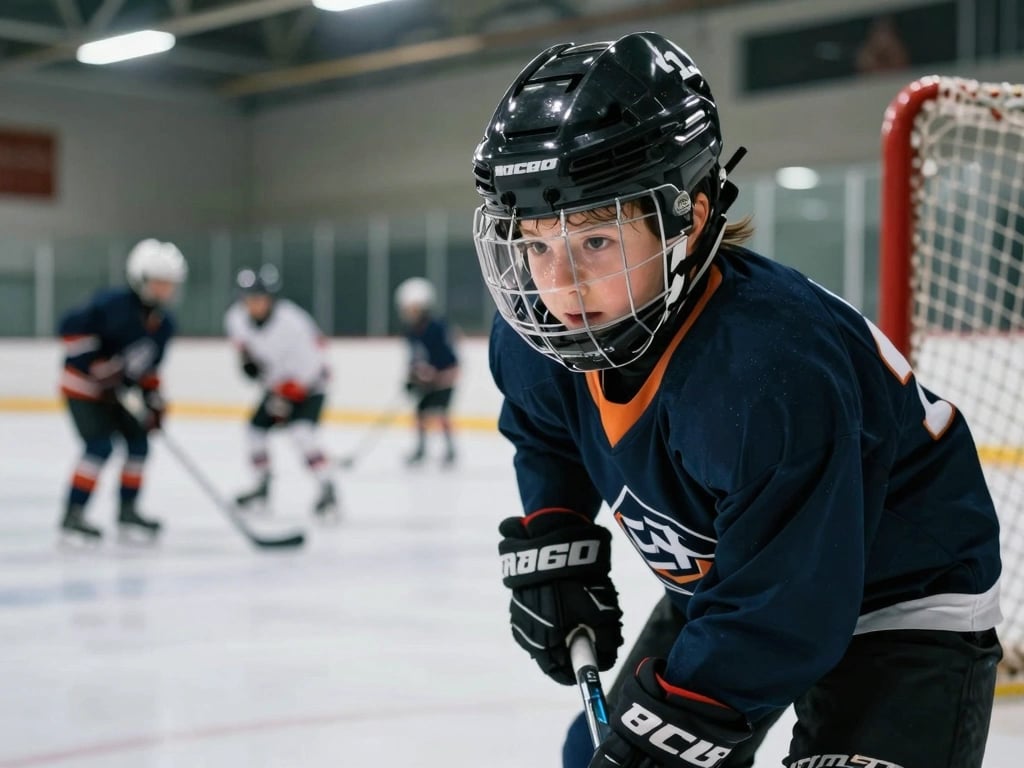
Success in hockey is not just about physical skill but also about developing a winning mentality. Junior hockey provides a platform for players to experience both victories and setbacks, teaching them the importance of resilience and teamwork. Winning teams often foster a culture of excellence, pushing players to strive for greatness. This mentality can significantly impact a player's career trajectory, as those who learn to win at a young age often carry that mindset into the NHL.
The Role of Team Dynamics and Chemistry
Team dynamics play a substantial role in the development of NHL prospects. The relationships formed in junior hockey can significantly influence a player's growth on and off the ice.
Developing Relationships with Teammates
The ability to build strong relationships with teammates is crucial for success in hockey. Junior hockey allows players to form bonds that enhance teamwork and on-ice chemistry. For instance, many NHL stars, like Sidney Crosby and Nathan MacKinnon, have spoken about the importance of their junior experiences in developing relationships that have lasted into their professional careers. These connections can lead to better communication and understanding during games, which is vital for success at higher levels.
Understanding Team Strategies and Systems
Junior hockey teams often implement complex strategies that mirror those found in the NHL. Players learn how to execute systems, such as forechecking and power plays, which are essential for success in professional play. Coaches in junior leagues take the time to instill these strategies, helping players understand their roles within a team context. This understanding is critical when players transition to the NHL, where they must quickly adapt to their new team's systems.
Fostering Leadership Skills on and off the Ice
Junior hockey also provides opportunities for players to develop leadership skills. Many teams appoint captains and alternate captains, allowing younger players to learn what it means to be a leader both on and off the ice. Players like Ryan Nugent-Hopkins have noted how their time in junior hockey helped them develop these skills, which are crucial in the NHL, where leadership can be a deciding factor in a team's success.
Scouting and Recruitment Considerations
Finally, the scouting and recruitment processes play a significant role in why NHL prospects spend years in junior hockey. NHL teams are looking for players who not only possess skill but also demonstrate long-term potential.
NHL Teams’ Developmental Strategies
NHL teams have realized that developing players through junior hockey is a strategic investment. Teams like the Tampa Bay Lightning have successfully utilized their AHL affiliates to groom prospects before making the leap to the NHL. This approach allows young players to mature and develop their games in a controlled environment. The importance of junior hockey in a player's development cannot be overstated; teams like the Chicago Blackhawks have built their success on the foundation of developing homegrown talent through junior leagues.
Evaluating Long-Term Potential versus Immediate Impact
When drafting players, NHL teams must weigh the long-term potential of a prospect against their immediate impact. Many teams prefer to draft players who may not be ready for the NHL right away but show significant promise for future development. For instance, players like Elias Pettersson spent time in junior leagues before making their NHL debuts, allowing teams to evaluate their readiness for the professional stage. This approach ensures that teams are making informed decisions rather than rushing players into the league too soon.
The Influence of Junior Leagues on Draft Decisions
The performance of players in junior leagues often significantly influences draft decisions. NHL scouts closely monitor junior hockey to assess players' skill levels, work ethics, and potential for growth. For example, the 2021 NHL Draft saw several players, including Owen Power and Matty Beniers, selected based on their impressive performances in junior leagues. Their success at this level provided scouts with the confidence needed to draft them, illustrating the vital role junior hockey plays in a player's journey to the NHL.