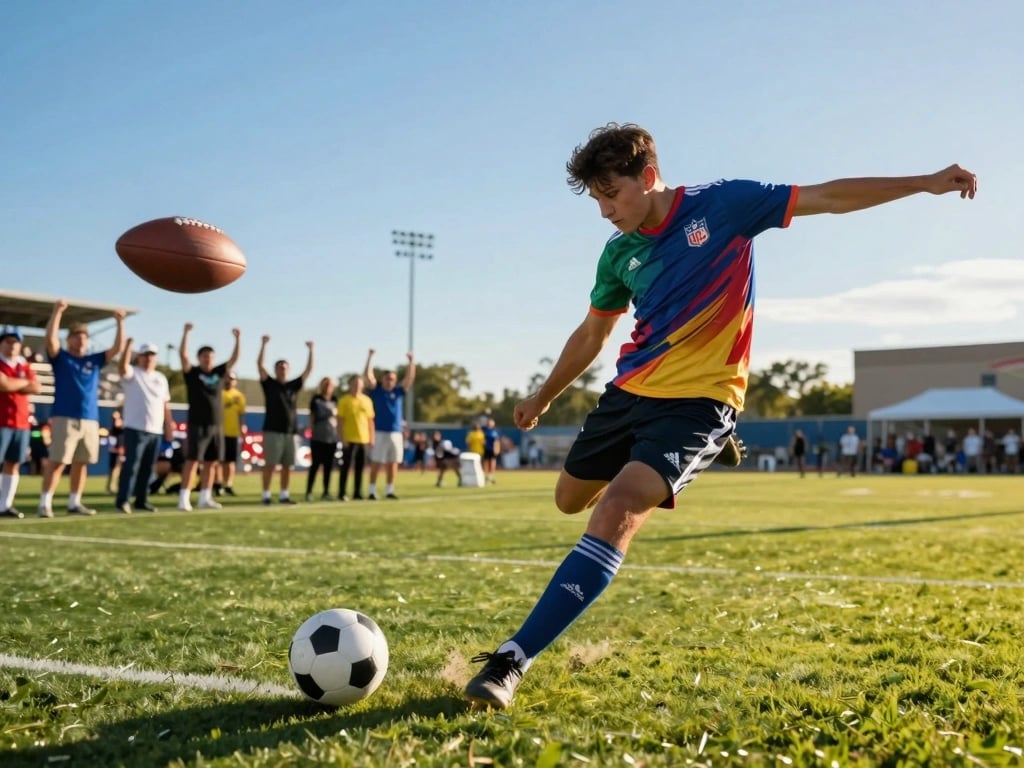
Discover why NFL kickers often come from soccer backgrounds, exploring the skills and techniques that make this transition successful in professional football.
The Technical Skills Transfer from Soccer to Football Kicking
One of the most fascinating aspects of the NFL is the significant number of kickers who have backgrounds in soccer. This phenomenon can be attributed to the technical skills required for both sports, which often overlap significantly. Let’s explore how the foundational skills honed in soccer contribute to success on the football field.
Precision and Accuracy in Kicking Techniques
Precision is paramount in both soccer and football kicking. Soccer players spend countless hours perfecting their ability to place the ball exactly where they intend, whether it's for a penalty kick or a corner. This emphasis on accuracy translates seamlessly to football, where kickers must consistently make field goals from varying distances and angles. For instance, in the NFL, the average field goal distance is around 37 yards, but kickers often attempt kicks from beyond 50 yards, requiring exceptional precision.
Many successful NFL kickers, such as Justin Tucker of the Baltimore Ravens, have demonstrated remarkable accuracy throughout their careers. Tucker, who has a career field goal percentage of 90%, showcases how skills developed on the soccer field—such as targeting and trajectory control—can lead to success in football. His background in soccer allowed him to develop an acute sense of where to strike the ball for optimal results, a skill that is invaluable when attempting high-pressure kicks.
Ball Control and Striking Mechanics
In soccer, players learn various techniques for striking the ball, including instep drives, volleys, and chips. These diverse striking mechanics provide a comprehensive understanding of ball control, an essential component for kickers in the NFL. A kicker must not only strike the ball cleanly but also understand how different parts of the foot can affect its trajectory and spin.
For example, kickers employ similar techniques to soccer players when executing field goals. The proper foot placement and striking point are critical; striking the ball with the instep—a technique familiar to soccer players—ensures both power and accuracy. This understanding of ball dynamics is evident in kickers such as Matt Prater, who relies on his soccer-trained striking mechanics to launch powerful kicks that can exceed 60 yards.
Footwork and Balance Principles
Footwork and balance are foundational in both soccer and football kicking. Soccer players rely on agility and foot placement to maneuver around opponents and strike the ball effectively. Similarly, NFL kickers must maintain excellent balance to ensure their kicks are both powerful and accurate. The approach to the ball—a series of steps that a kicker takes before executing the kick—is crucial for generating momentum and achieving a solid, controlled strike.
Many kickers utilize a three- or four-step approach, similar to the run-up used by soccer players before a penalty kick. This approach is carefully calculated to maximize both power and accuracy. A perfect example is the approach taken by former NFL kicker Adam Vinatieri, known for his calm demeanor and meticulous footwork. His soccer background undoubtedly contributed to his ability to maintain balance and control even under the most intense pressure.
The Psychological Aspects of Kicking in Both Sports
Kicking is not merely a physical endeavor; it involves significant psychological components that are critical to performance. The mental fortitude required for success in both soccer and football cannot be overstated. Let’s delve into the psychological aspects that influence kickers and their performance.
Pressure Management and Performance Anxiety
NFL kickers often face immense pressure, particularly in high-stakes situations, such as game-winning field goals. This pressure can lead to performance anxiety, a challenge that is also familiar to soccer players during crucial penalty kicks. Successful kickers must develop strategies to manage this anxiety effectively.
Many kickers utilize visualization techniques, a method often employed by soccer players to prepare for critical moments. By visualizing successful kicks, kickers can enhance their confidence and reduce anxiety. For instance, during the Super Bowl LI, New England Patriots kicker Stephen Gostkowski faced significant pressure. His previous experiences in soccer helped him channel his focus and deliver under pressure, illustrating the importance of psychological preparation.
Focus and Concentration Techniques
Focus and concentration are vital for both soccer players and NFL kickers. The ability to block out distractions and concentrate on the task at hand can determine success. Soccer players must tune out the noise of the crowd and the movements of opponents, skills that are equally relevant for kickers during a game.
Kickers often adopt routines to maintain focus before a kick. These routines, developed from their soccer training, may include specific pre-kick rituals or breathing exercises designed to center their thoughts. For example, New York Giants kicker Graham Geno has been known to take deep breaths and visualize the kick's trajectory before each attempt, a practice rooted in his soccer background.
Competition Mindset: Soccer vs. Football
The competition mindset in soccer and football also shares similarities but diverges in some respects. Soccer players often compete in a more fluid, team-oriented environment, while football kickers operate as individuals within the broader team context. This individual focus can foster a unique pressure that kickers must learn to navigate.
Moreover, the experience of competing in soccer often cultivates resilience and grit, traits that are invaluable for NFL kickers. Many kickers who transition from soccer bring with them a competitive spirit that drives them to succeed, as seen in the careers of kickers like Mason Crosby of the Green Bay Packers, who has consistently performed well despite facing adversity.
The Physical Conditioning Required for Kicking
Physical conditioning is another crucial aspect where soccer backgrounds benefit NFL kickers. The training regimens for soccer players often emphasize leg strength, agility, and overall fitness, all of which are essential for effective kicking in football. Let’s explore the specific physical conditioning aspects that contribute to a kicker’s success.
Leg Strength and Endurance from Soccer Training
Soccer training inherently builds leg strength and endurance, two vital components for kickers. Players engage in drills that enhance muscle power, enabling them to strike the ball with force and accuracy. For kickers, this translates into the ability to kick the football over long distances while maintaining precision.
Research indicates that athletes with a soccer background tend to have superior lower body strength compared to those without. This strength allows kickers to perform well under the physical demands of the NFL season. For instance, a study found that soccer players had an average vertical jump of 28 inches, which correlates with the explosive power needed for kicking in football.
Agility and Speed Benefits for Kickers
Agility and speed are critical attributes for kickers during their approach and follow-through. Soccer players develop these skills through constant movement on the field, requiring quick changes of direction and pace. This training is invaluable for kickers, who must be agile enough to adjust their positioning in response to game situations.
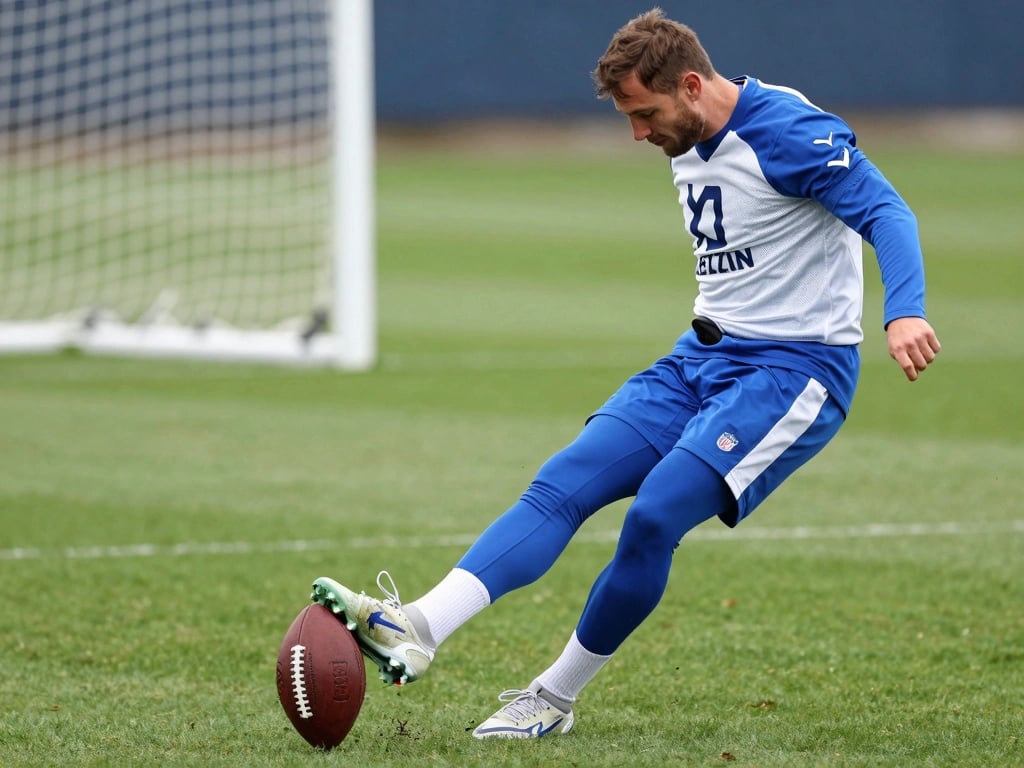
For example, kickers often need to change their approach based on the snap timing or the defensive pressure they face. The agility learned in soccer helps kickers like Robbie Gould of the San Francisco 49ers remain effective even in rapidly changing scenarios.
Injury Prevention Techniques in Soccer
Injury prevention is a crucial aspect of any athlete's training, and soccer players are often well-versed in techniques to minimize injuries. These techniques, such as proper warm-ups, stretching, and strengthening exercises, are equally important for NFL kickers.
Kickers who come from soccer backgrounds are typically more aware of their bodies and the importance of injury prevention. They often continue to employ these techniques throughout their football careers, which can lead to longer, healthier careers. For instance, kickers like Blair Walsh have attributed their longevity in the sport to the injury prevention practices they learned in soccer.
Coaching and Development Pathways for Kickers
The pathway to becoming an NFL kicker often involves unique coaching and development experiences. Many kickers begin their journey in youth soccer programs, which lay the foundation for their future success. Let’s examine how these coaching and development pathways influence a kicker’s career.
Soccer Academies and Their Influence on Kickers
Soccer academies play a crucial role in developing young athletes, providing them with specialized coaching and training. These programs emphasize technical skills, tactical understanding, and physical conditioning, all of which benefit aspiring kickers. The structured environment of soccer academies helps young players hone their kicking techniques, preparing them for a potential transition to football.
For instance, many kickers who have made the jump to the NFL, such as Graham Geno, started their training in soccer academies, where they learned the fundamentals of kicking before transitioning to football. These academies often focus on creating well-rounded athletes, which is advantageous for kickers adapting to the different demands of American football.
Transitioning from Soccer to Football: Training Programs
As players transition from soccer to football, specialized training programs can aid in developing the unique skills needed for kicking. These programs often focus on refining kicking techniques, improving footwork, and building the mental aspects of kicking under pressure.
For example, training camps designed for transitioning athletes may include drills that mimic game situations, allowing kickers to practice their skills in high-pressure environments. Many former soccer players, such as Jason Elam, have credited such training programs with enhancing their performance as NFL kickers.
Mentorship and Role Models in Kicking
Mentorship is another critical component of a kicker's development. Many successful NFL kickers have taken on mentoring roles for younger players, providing guidance and sharing their experiences. This mentorship often extends to players with soccer backgrounds, who may seek advice on transitioning to football.
The influence of role models cannot be overstated. Young kickers often look up to established players like Adam Vinatieri or Justin Tucker, whose careers serve as examples of success. By following in the footsteps of these prominent kickers, aspiring players can gain insights into the mental and physical aspects of kicking, enhancing their overall development.
The Cultural and Historical Context of Kickers in the NFL
Understanding the cultural and historical context of kicking in the NFL sheds light on the increasing prevalence of kickers with soccer backgrounds. The evolution of kicking roles in American football has shaped the landscape for aspiring kickers. Let’s explore this context and its implications for the future.
Evolution of Kicking Roles in American Football
Historically, kicking roles in football have evolved significantly. In the early days of the NFL, kickers often played multiple positions on the field. However, as the game has become more specialized, kickers have emerged as dedicated positions, leading to increased scrutiny and expectations.
As the game has evolved, so has the recognition of the importance of the kicking game. Teams now prioritize finding kickers with proven accuracy and distance, often turning to those with soccer backgrounds due to their refined skills and techniques. This trend reflects a growing understanding of the specific abilities required for success in the kicking role.
Case Studies of Prominent Soccer-Background Kickers
Numerous kickers have made significant impacts in the NFL, coming from soccer backgrounds. Players like Stephen Gostkowski and Justin Tucker not only excelled in the NFL but also showcased the skills they honed in soccer. Their success stories serve as case studies that illustrate the benefits of a soccer background in kicking.
For instance, Justin Tucker's record-breaking 66-yard field goal in 2021 exemplifies how his soccer training prepared him for high-pressure scenarios. Such achievements reinforce the idea that skills developed in soccer can lead to extraordinary results in the NFL.
Future Trends: The Rising Influence of Soccer on NFL Kicking
As the NFL continues to evolve, the influence of soccer on kicking is likely to grow. With an increasing number of kickers emerging from soccer backgrounds, teams may prioritize scouting and recruiting players who have excelled in soccer. This trend could lead to a greater emphasis on technical skill development in youth programs, further bridging the gap between the two sports.
Moreover, the globalization of soccer and its increasing popularity in the United States may further contribute to this trend. As more young athletes are exposed to soccer, the pool of potential kickers in the NFL will likely expand, bringing fresh talent and innovative techniques to the kicking game.
In conclusion, the prevalence of NFL kickers with soccer backgrounds can be attributed to the significant technical skills transfer, psychological aspects, physical conditioning, coaching pathways, and the evolving cultural context of kicking in American football. As this trend continues, the NFL may witness an even greater influx of talented kickers who bring their soccer expertise to the gridiron, shaping the future of kicking in the league.