Discover why most fish tank cycling guides miss key steps for success. Learn essential tips to ensure a healthy aquarium environment for your pets.
Understanding the Basics of Fish Tank Cycling
The Purpose of Cycling a Fish Tank
Cycling a fish tank is a crucial step in establishing a healthy aquatic environment. The primary purpose of cycling is to develop a stable population of beneficial bacteria that can convert harmful ammonia and nitrite produced by fish waste, uneaten food, and decaying plants into less harmful nitrate. This process ensures that the tank can sustain fish without causing them stress or illness due to toxic compounds.
The Nitrogen Cycle Explained
The nitrogen cycle is a natural process that occurs in all aquatic ecosystems, including fish tanks. It involves a series of biochemical transformations that convert ammonia (NH<sub>3</sub>) into nitrite (NO<sub>2</sub>) and then into nitrate (NO<sub>3</sub>). Here’s a breakdown of the key stages:
- Ammonia Production: Fish excrete ammonia as a waste product. Additionally, uneaten food and decaying organic matter contribute to ammonia levels in the tank.
- Ammonia to Nitrite: Beneficial bacteria, primarily Nitrosomonas, oxidize ammonia into nitrite, which is also toxic to fish but is a necessary step in the cycling process.
- Nitrite to Nitrate: Another set of bacteria, known as Nitrobacter, further oxidizes nitrite into nitrate, which is significantly less harmful and can be managed through regular water changes or consumed by aquatic plants.
Common Misconceptions About Cycling
There are several prevalent myths surrounding fish tank cycling that can mislead novice aquarists:
- Immediate Cycling: Some believe that simply adding fish to a new tank will kickstart the cycling process. In reality, introducing fish too early can lead to toxic spikes that are detrimental to their health.
- One-Size-Fits-All Approach: Many guides present a universal method for cycling, neglecting the unique needs of different fish species and tank setups.
- Skipping the Process: Some hobbyists opt for "fish-in" cycling or additives, thinking they can bypass the natural cycling process. This often leads to a less stable environment in the long run.
Common Gaps in Fish Tank Cycling Guides
Overlooking Essential Water Parameters
Most cycling guides fail to emphasize the importance of monitoring water parameters. Key metrics such as ammonia, nitrite, nitrate, pH, and temperature play a vital role in determining the success of the cycling process:
- Ammonia Levels: Should be monitored closely; levels should rise and then fall to zero as beneficial bacteria establish.
- Nitrite Concentration: Similarly, nitrite should spike and eventually drop to zero.
- Nitrate Management: While nitrate is less harmful, it still requires regular water changes to keep levels below 40 ppm, especially for sensitive species.
Neglecting the Importance of Bacterial Strains
Many fish tank cycling guides do not delve into the specific strains of bacteria that contribute to the nitrogen cycle. Not all bacteria are created equal; for instance, some cycling products may contain strains that are less effective or slower to establish. Using a product like Seachem Stability or Aquavitro Seed can significantly enhance the cycling process by introducing robust bacterial cultures.
Failing to Address the Role of Ammonia Sources
Another common oversight in many guides is the discussion around ammonia sources. While some recommend fish food or live fish as ammonia sources, this approach can be risky. Instead, using pure ammonia, like Dr. Tim’s Aquatics Ammonium Chloride, can provide a controlled and measurable way to ensure that ammonia levels rise appropriately without harming fish.
Inadequate Timeframes for Cycling
The Myth of Quick Cycling Methods
Many guides perpetuate the idea that cycling can be completed in a matter of days or weeks, which is often misleading. Quick cycling methods, such as adding live fish or using chemical additives, can lead to unstable tank conditions. A more realistic timeframe for a fully cycled tank is typically 4-6 weeks, depending on the method used and the specific conditions within the aquarium.
Understanding the Biological Maturation Process
The biological maturation process involves the gradual establishment of beneficial bacteria within the tank. This process can vary greatly based on environmental conditions, tank size, and the methods employed. During cycling, it’s vital to allow time for the bacteria to multiply and establish a stable colony, which can be influenced by temperature, pH, and available food sources.
Signs That Your Tank is Truly Cycled
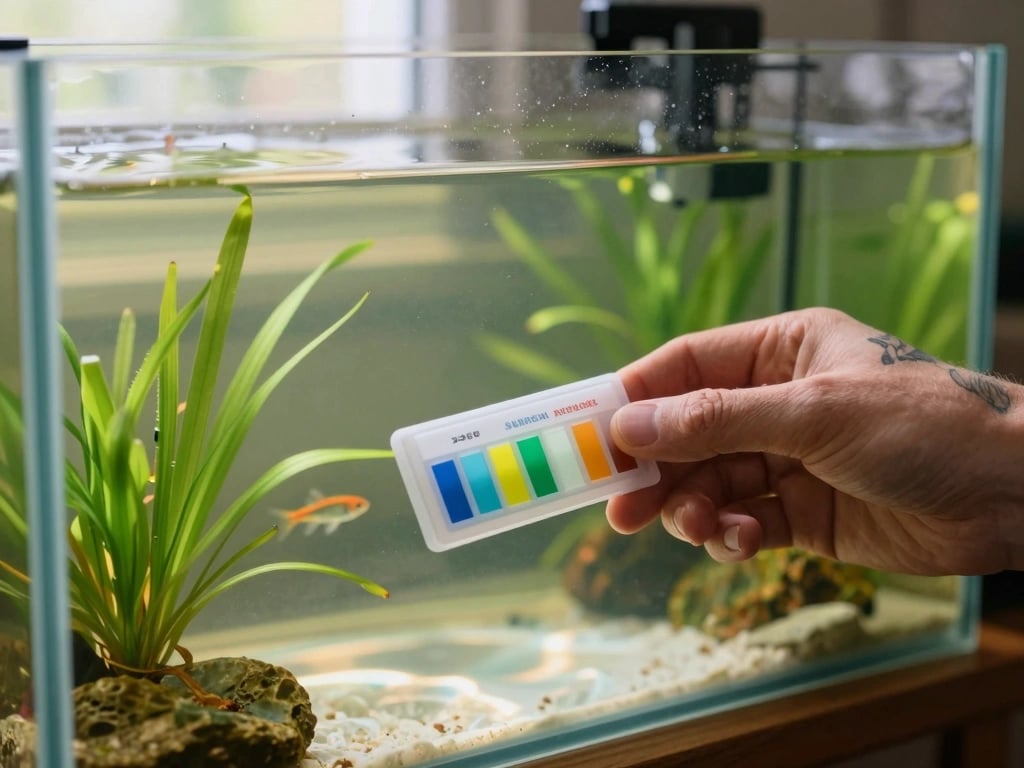
Determining if your tank is fully cycled requires careful observation of water parameters and biological activity. Here are some signs that indicate successful cycling:
- Ammonia Levels: Should consistently read 0 ppm.
- Nitrite Levels: Should also drop to 0 ppm.
- Nitrate Levels: Should be present, indicating the completion of the cycle.
- Bacterial Growth: Visible signs of beneficial bacteria, such as cloudiness in the water, can indicate a healthy biofilter.
Environmental Factors That Affect Cycling Success
The Impact of Temperature and pH Levels
Temperature and pH are critical environmental factors affecting the speed and efficiency of the cycling process. Most beneficial bacteria thrive in temperatures between 78°F and 82°F (25.5°C to 27.7°C). If the temperature is too low, the bacteria will reproduce slowly, extending the cycling period. Similarly, a pH level between 6.5 and 7.5 is ideal for optimal bacterial activity; levels outside this range can hinder their growth.
How Tank Size Influences Cycling Duration
The size of the tank plays a significant role in the cycling process. Smaller tanks tend to cycle more quickly due to a higher concentration of ammonia, but they can also lead to quicker fluctuations in water parameters that can stress fish. Conversely, larger tanks may take longer to cycle but often provide a more stable environment once established. It’s crucial to consider the tank size when selecting your cycling method and expected timeframe.
The Role of Filtration Systems in Cycling
Filtration systems are pivotal in establishing and maintaining beneficial bacteria populations. A high-quality filter, such as a canister filter or a hang-on-back filter with a suitable biological media, can enhance the cycling process by providing ample surface area for bacteria to colonize. Regular maintenance of the filter is also essential; cleaning it too thoroughly can inadvertently disrupt the bacterial colonies that are forming.
Resources and Tools for Effective Cycling
Recommended Testing Kits for Monitoring Progress
Investing in a reliable testing kit is essential for monitoring the cycling process. Recommended kits include:
- API Freshwater Master Test Kit: Provides comprehensive testing for ammonia, nitrite, nitrate, and pH.
- Salifert Test Kits: Known for their accuracy and reliability in measuring various water parameters.
- Hanna Instruments Checker: Offers advanced digital readings for precise monitoring of nitrate and phosphate levels.
Utilizing Live Bacteria Products Effectively
Live bacteria products can significantly expedite the cycling process. When using these products, it’s essential to follow the manufacturer’s instructions closely. Dosages may vary based on tank size and ammonia levels. Some effective products include:
- Seachem Stability: Contains a blend of live bacteria designed to establish a healthy aquarium ecosystem.
- Aquavitro Seed: Provides a concentrated source of beneficial bacteria to jumpstart the cycling process.
- Dr. Tim’s Aquatics One and Only: Specifically formulated for aquarists seeking rapid cycling methods.
Community Support and Online Forums for Guidance
Engaging with the aquarium community can provide valuable insights and support during the cycling process. Online forums such as Fishlore, Reef Central, and Reddit’s r/Aquariums offer a platform for sharing experiences, troubleshooting problems, and gaining tips from seasoned aquarists. Participating in these communities can help you navigate the complexities of fish tank cycling more effectively.