Discover how different cat litter brands vary chemically. Learn about their ingredients and effects to choose the best option for your feline friend.
Understanding the Base Materials of Cat Litter
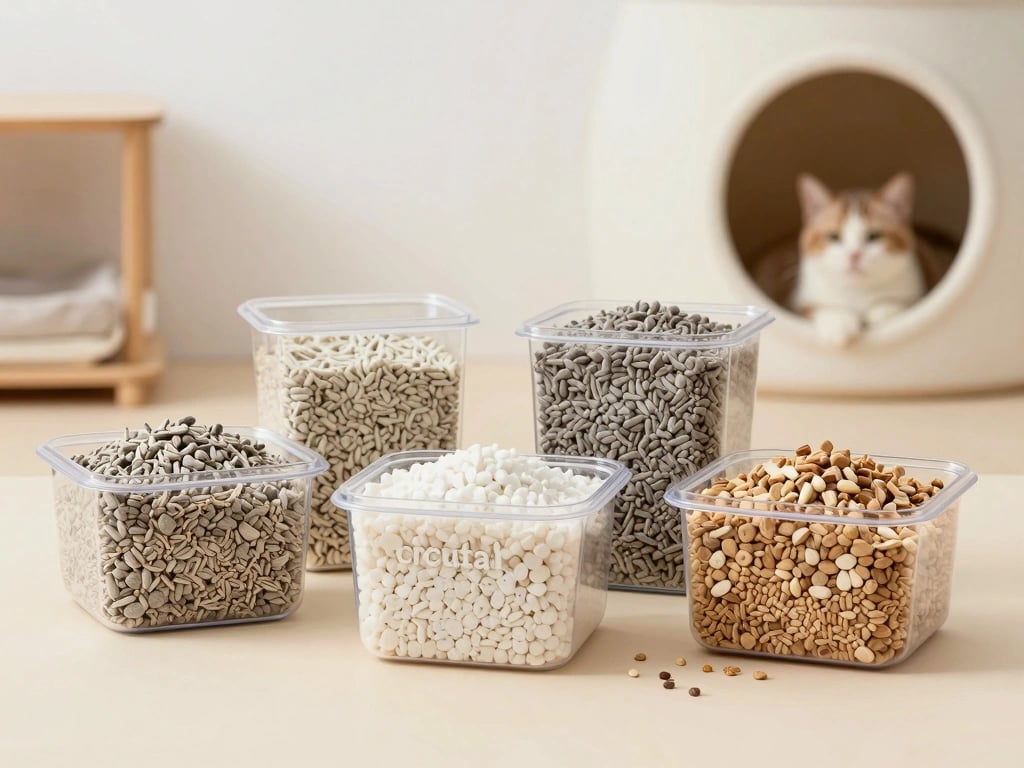
When it comes to choosing the right cat litter, understanding the chemical composition of various brands can greatly influence your decision. Different types of cat litter are formulated using a variety of base materials, each with unique chemical properties that affect performance, safety, and environmental impact. This article will delve into the major categories of cat litter, their chemical variations, and how these variations affect their usability.
Clay-Based Litter: Types and Chemical Properties
Clay-based litters are the most common type found in households. These litters primarily consist of natural clay minerals. The two most prevalent forms are sodium bentonite and calcium bentonite, which have differing chemical properties.
- Sodium Bentonite: This clay is known for its excellent clumping capabilities due to its high swelling potential when wet. Chemically, it is composed mainly of montmorillonite, which has a layered structure allowing it to absorb moisture and odors effectively.
- Calcium Bentonite: This type is less absorbent than sodium bentonite and is primarily used for non-clumping litter. Its chemical structure is less expansive, making it suitable for those who prefer a more natural option.
The chemical properties of these clays allow them to interact with moisture and ammonia, which is a key component of cat urine. Sodium bentonite’s ability to absorb moisture results in clumping, while calcium bentonite does not bind as effectively, leading to a more granular litter texture.
Biodegradable Options: Corn, Wheat, and More
Biodegradable litters have gained popularity among environmentally conscious consumers. These litters are made from renewable resources like corn, wheat, and recycled paper. Each of these materials has a different chemical composition that affects their performance.
- Corn-Based Litter: Typically made from ground corn kernels, this type of litter utilizes the natural starches to absorb moisture and control odors. The primary chemical compounds involved are polysaccharides, which help in clumping and odor control.
- Wheat-Based Litter: Similar to corn, wheat litter uses the natural enzymes in wheat to break down odors. The main chemical component is gluten, which contributes to its clumping ability.
- Paper-Based Litter: Made from recycled paper, this option does not clump but absorbs moisture effectively through the cellulose fibers. Its chemical structure allows it to retain liquid without the use of clumping agents.
These biodegradable options not only offer an effective solution for waste management but also decompose more easily than traditional clay litters, presenting a lesser environmental burden.
Silica Gel: Composition and Absorbency
Silica gel litters are another category, composed of tiny silica crystals that are highly absorbent. Chemically, silica gel is a form of silicon dioxide (SiO2) that has been processed into a porous structure, allowing it to trap moisture and odors efficiently.
Silica gel’s absorbent capacity is significantly higher than that of traditional clay litters. It can absorb up to 40% of its weight in moisture, and its porous nature allows it to trap odors, making it a popular choice among cat owners looking for low-maintenance options. However, it is important to note that silica gel can create dust, which may pose respiratory concerns for both pets and humans.
The Role of Additives in Cat Litter Formulations
In addition to base materials, many cat litters contain various additives that enhance performance and usability. These chemicals serve specific functions such as odor control, antimicrobial action, and clumping abilities.
Odor Control Chemicals: Clays vs. Natural Additives
Odor control is one of the most important factors in litter performance. Clay-based litters typically use sodium bentonite, which has naturally occurring odor-absorbing properties. However, many brands also incorporate additional chemical additives.
- Activated Charcoal: This natural additive is often found in clay litters to enhance odor absorption. Its porous structure allows it to capture and neutralize odors effectively.
- Natural Essential Oils: Some biodegradable litters include essential oils derived from plants, providing a pleasant scent while masking odors. However, these can sometimes cause allergic reactions in sensitive cats.
Each additive has its own chemical characteristics that contribute to overall litter performance, with some being more effective than others in specific environments.
Antimicrobial Agents: Function and Effectiveness
To combat bacteria and pathogens, many litters include antimicrobial agents. These chemicals can be synthetic or natural, with varying degrees of effectiveness.
- Boric Acid: A common antimicrobial agent, boric acid works by disrupting cellular processes in bacteria. Its efficacy is well-documented, making it a popular choice for clumping litters.
- Natural Plant Extracts: Some brands use extracts from plants like eucalyptus or tea tree, which have natural antibacterial properties. While these can be effective, their reliability can vary based on concentration.
The choice of antimicrobial agent can significantly influence the litter's overall effectiveness in controlling odors and bacteria.
Clumping Agents: How They Work Chemically
Clumping agents are crucial for maintaining the cleanliness of the litter box. In clay-based litters, the clumping action is primarily due to the interaction of water with sodium bentonite, causing it to swell and form solid clumps.
In biodegradable litters, clumping may occur due to added starches or other polysaccharides that react with moisture:
- Starch-Based Clumping Agents: These natural polymers absorb moisture and bind particles together, creating clumps that are easy to remove.
- Chemical Clumping Agents: Some brands utilize synthetic clumping agents that can provide superior performance but may raise concerns regarding safety and environmental impact.
Overall, the effectiveness of clumping agents relies on their chemical interactions with moisture and the litter material itself.
Environmental Impact: Chemical Composition and Safety
As awareness of environmental concerns rises, the chemical composition of cat litter has come under scrutiny regarding its safety and impact on the ecosystem.
Heavy Metals and Toxins in Cat Litters
Some clay-based litters may contain trace amounts of heavy metals such as lead and arsenic, often originating from the natural clay deposits. These toxins can pose risks to both pets and humans:
- Lead: Found in some clays, lead can leach into the soil and water, causing long-term environmental issues.
- Arsenic: Another concern, arsenic exposure can occur through improper disposal of litter, impacting local wildlife.
Choosing a brand that regularly tests for heavy metals can mitigate these risks and ensure safety for both pets and the environment.
Biodegradability: Chemical Breakdown of Various Litters
Understanding the biodegradability of different litters requires knowledge of their chemical makeup. Biodegradable litters break down more naturally than traditional clay litters, which can persist in landfills for decades.
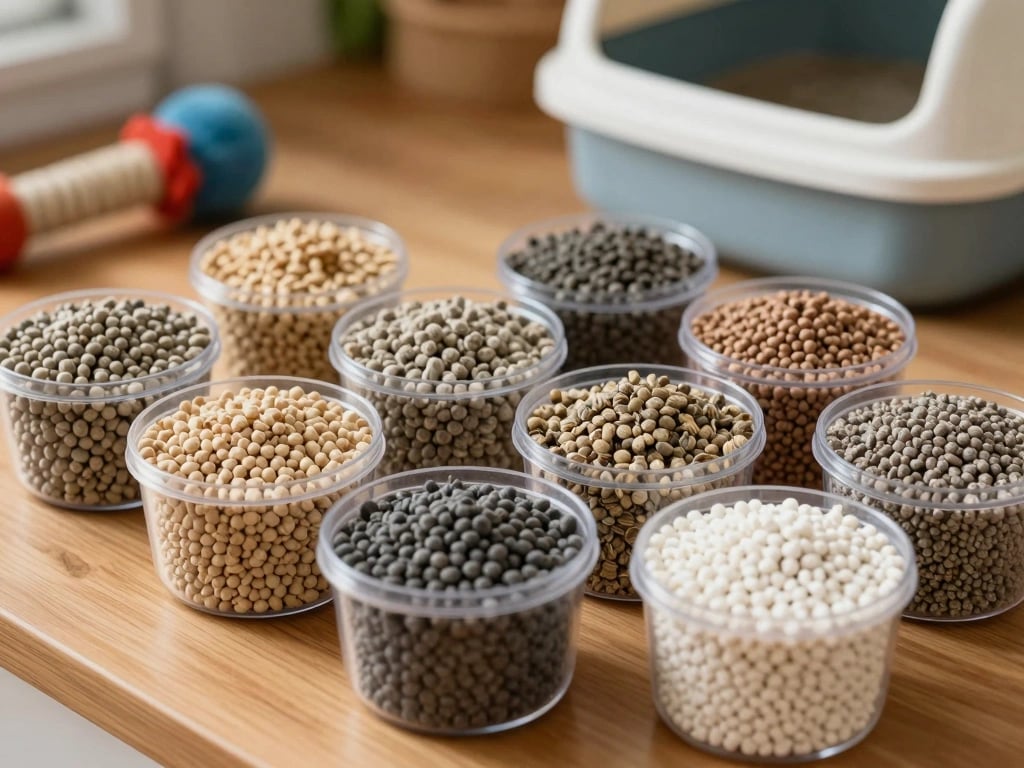
- Corn and Wheat Litters: Typically break down within 90-120 days in composting conditions, making them an eco-friendly option.
- Clay Litters: On the other hand, may take hundreds of years to decompose, posing long-term environmental challenges.
Choosing biodegradable options can significantly reduce the environmental footprint of cat litter.
Impact on Soil and Water: A Chemical Perspective
The chemical makeup of cat litter can have far-reaching effects on soil and water quality. When litter is disposed of improperly, it can contaminate local ecosystems:
- Ammonia: From cat urine, can seep into the ground, affecting soil pH and quality.
- Heavy Metals: As mentioned earlier, metals can leach into groundwater, posing risks to human and animal health.
Understanding these chemical interactions is vital for responsible disposal and management of cat litter.
Performance Metrics: Chemical Properties That Matter
The performance of cat litter is often assessed through various metrics that are influenced by its chemical properties. These metrics include absorption capacity, dust production, and overall longevity.
Absorption Capacity: Chemical Interactions at Play
Absorption capacity is a crucial metric, as it determines how well the litter can handle moisture:
- Clay Litter: Sodium bentonite can absorb up to 30 times its weight in moisture, leading to effective clumping.
- Biodegradable Litter: Corn-based litters absorb moisture well, but typically less than clay-based options, around 20 times their weight.
The chemical interactions between moisture and the litter material directly affect how well it performs in a litter box setting.
Dust Production: Chemical Composition and Health Effects
Dust production is another performance metric that can impact respiratory health:
- Clay Litters: Often produce more dust due to their fine particles, leading to potential respiratory issues.
- Silica Gel Litters: Generally create less dust, making them a preferable option for sensitive individuals.
Understanding the dust profiles of different litters can help consumers make informed choices for their households.
Longevity and Efficacy: How Chemicals Influence Lifespan
The longevity of cat litter is largely determined by its chemical composition:
- Clay Litter: Often lasts longer due to its high absorbency and clumping capabilities, requiring less frequent changes.
- Biodegradable Litters: May need to be changed more frequently, as they degrade faster in moist environments.
Choosing the right litter involves balancing efficacy with chemical safety and environmental impact.
Comparative Analysis of Popular Cat Litter Brands
In this section, we will analyze popular cat litter brands, focusing on their chemical breakdown, unique additives, and environmental claims.
Brand A: Chemical Breakdown and Performance Insights
Brand A is a well-known clay-based litter that utilizes sodium bentonite as its primary ingredient. This brand boasts a high absorption capacity and effective clumping due to its unique formulation:
- Chemical Composition: Mainly composed of 95% sodium bentonite, with added activated charcoal for odor control.
- Performance Metrics: Absorbs up to 30 times its weight in moisture and forms solid clumps, making it easy to clean.
However, concerns have been raised about the presence of heavy metals, prompting the brand to implement regular testing for safety.
Brand B: Unique Chemical Additives and Their Purpose
Brand B is a corn-based biodegradable litter that incorporates several unique additives:
- Chemical Composition: Made from 80% ground corn, supplemented with natural essential oils for scent and starch for clumping.
- Performance Insights: While it clumps effectively, its absorption capacity is slightly lower at around 20 times its weight. However, it decomposes within 90 days when composted.
This brand is marketed as eco-friendly but has faced scrutiny regarding the effectiveness of its natural additives in odor control.
Brand C: Environmental Claims vs. Chemical Reality
Brand C offers a silica gel litter that claims to be highly absorbent and low-dust. Here’s how it breaks down chemically:
- Chemical Composition: Comprised of over 90% silica crystals, designed to absorb moisture and odors efficiently.
- Performance Metrics: Absorbs up to 40% of its weight, with minimal dust production. However, environmental concerns arise from disposal, as it does not biodegrade.
While the brand promotes its low-dust formula, the long-term environmental impact of silica gel remains a point of contention among eco-conscious consumers.
In conclusion, understanding the chemical variations among cat litter brands can significantly influence the choice of product for pet owners. From base materials to additives, each litter type presents unique benefits and challenges. By analyzing these factors, cat owners can make informed decisions that align with their values regarding performance and environmental impact.