Discover effective turnaround maintenance scheduling strategies for oil refineries to enhance efficiency, reduce downtime, and optimize operations in heavy industry.
Importance of Turnaround Maintenance in Oil Refineries
Understanding Turnaround Maintenance
Turnaround maintenance refers to the scheduled shutdown of refinery operations for comprehensive maintenance and inspection of equipment and systems. This critical process allows oil refineries to conduct extensive repairs, upgrades, and safety checks, ensuring that all components operate efficiently and within compliance with regulatory standards. Turnaround maintenance is not merely a routine task; it is a strategic operation that can significantly impact the overall performance and longevity of refinery assets.
Impact on Operational Efficiency
The efficiency of an oil refinery is vital for maximizing output and minimizing costs. Scheduled turnarounds allow for systematic maintenance activities, which, when executed properly, enhance the reliability of machinery and reduce unplanned outages. For instance, a refinery that conducts regular turnarounds may experience up to a 15% reduction in unscheduled downtime compared to those that do not. This efficiency translates directly into increased production capacity and profitability.
Safety and Compliance Considerations
Safety is paramount in the oil refining industry, and turnaround maintenance plays a crucial role in ensuring that safety protocols are upheld. Refineries must comply with various environmental and safety regulations, including those set forth by the Occupational Safety and Health Administration (OSHA) and the Environmental Protection Agency (EPA). For example, a turnaround can involve the replacement of old equipment that no longer meets safety standards, thereby reducing the risk of accidents and environmental incidents. Compliance not only protects workers and the environment but also shields the refinery from potential legal ramifications and financial penalties.
Key Phases of Turnaround Maintenance Scheduling
Planning and Preparation
The planning phase of turnaround maintenance is critical for its success. This phase involves detailed scheduling of all activities, resource allocation, and risk assessment. A typical turnaround may take months of planning, with refineries often employing specialized teams to map out every aspect of the operation. For instance, an oil refinery in the Gulf Coast may schedule a turnaround every 3-5 years, with planning starting at least a year in advance. During this phase, refineries conduct inventory assessments of spare parts and materials required, ensuring that everything is on hand before the actual maintenance begins.
Execution and Monitoring
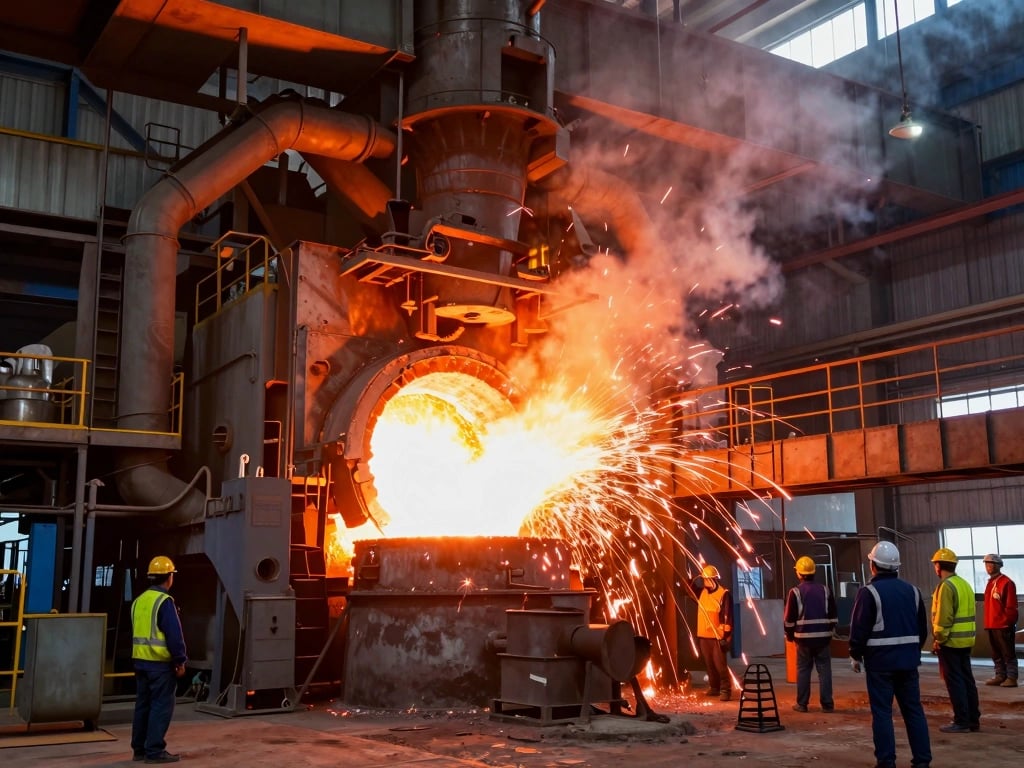
The execution phase involves carrying out the planned maintenance activities while monitoring progress against established timelines and budgets. This phase is typically intense and requires a high level of coordination among various teams. For example, during a major turnaround, a refinery might employ over 1,000 workers, including contractors and specialists, to perform tasks such as equipment inspections, repairs, and upgrades. Real-time monitoring tools are often utilized to track progress and ensure that maintenance tasks are completed on schedule, minimizing the duration of the shutdown.
Post-Turnaround Review and Reporting
After completion of the turnaround, a comprehensive review is conducted to evaluate the effectiveness of the maintenance activities. This post-turnaround phase is essential for identifying lessons learned and areas for improvement. Performance metrics, such as total downtime, costs incurred, and the number of tasks completed on schedule, are analyzed to assess the turnaround's success. For example, if a refinery's turnaround duration was extended due to unforeseen circumstances, a thorough analysis would help determine the cause and develop strategies to avoid similar issues in future turnarounds.
Factors Influencing Turnaround Maintenance Timing
Regulatory Requirements and Standards
Regulatory requirements play a significant role in determining when turnarounds are scheduled. Refineries must adhere to strict compliance timelines for inspections and maintenance mandated by federal and state regulations. For instance, the Clean Air Act may require certain emissions control equipment to be inspected and maintained at specific intervals, influencing the timing of turnarounds. Refineries often align turnaround schedules with these regulatory deadlines to ensure compliance while minimizing disruptions to production.
Equipment Condition and Reliability Assessment
Regular assessments of equipment condition and reliability are crucial in determining the necessity and timing of turnarounds. An oil refinery may use predictive maintenance techniques, such as vibration analysis and thermal imaging, to assess the health of critical equipment. If an assessment reveals that a piece of equipment is nearing the end of its lifecycle or showing signs of significant wear, a turnaround may be scheduled sooner than originally planned to address these issues proactively. For example, a refinery might implement a turnaround if a critical pump shows signs of fatigue, preventing a potential failure that could lead to a costly unplanned shutdown.

Market Demand and Economic Considerations
Market dynamics and economic factors significantly influence turnaround scheduling decisions. Refineries must balance the need for maintenance with the demand for refined products. For instance, if market demand surges due to geopolitical tensions or supply chain disruptions, a refinery may delay a planned turnaround to capitalize on the increased demand for gasoline or diesel. Conversely, if a downturn in market prices occurs, a refinery might expedite a turnaround to minimize operational costs during a period of reduced profitability.
Technological Tools for Scheduling Turnaround Maintenance
Computerized Maintenance Management Systems (CMMS)
Many oil refineries utilize Computerized Maintenance Management Systems (CMMS) to streamline turnaround maintenance scheduling. These systems provide a centralized platform for managing maintenance activities, tracking work orders, and scheduling preventive maintenance tasks. For example, a CMMS can help a refinery automate the planning phase by generating schedules based on historical maintenance data and equipment usage patterns. This automation reduces manual errors and enhances the efficiency of the turnaround process.
Data Analytics for Predictive Maintenance
Data analytics has become a cornerstone of modern turnaround maintenance practices. Refineries leverage big data to analyze historical performance data, equipment condition, and operational parameters to predict potential failures before they occur. For instance, advanced analytics can identify trends in vibration data from pumps, allowing maintenance teams to address issues preemptively during scheduled turnarounds. This predictive approach minimizes downtime and extends the life of critical assets.
Project Management Software Integration
Integrating project management software with maintenance scheduling tools enhances coordination and communication among teams during turnarounds. For example, software like Primavera P6 or Microsoft Project can be used to create detailed project plans that outline tasks, timelines, and resource allocation for the turnaround process. By integrating these tools, refineries can better manage the complexities of scheduling, ensuring that all stakeholders are informed and aligned throughout the maintenance phase.
Challenges in Turnaround Maintenance Scheduling
Resource Allocation and Workforce Management
One of the most significant challenges faced during turnaround maintenance scheduling is resource allocation. Refineries must ensure that they have the right personnel, tools, and materials available during the maintenance window. This can be complicated by workforce availability, particularly if a large number of contractors are involved. For instance, if a refinery plans a turnaround during peak construction season, securing qualified workers may become a logistical challenge. Effective workforce management strategies, such as pre-turnaround training and flexible staffing arrangements, can mitigate these challenges.
Unforeseen Equipment Failures
Despite meticulous planning, unforeseen equipment failures can disrupt the turnaround process. A sudden failure of a critical component, such as a reactor or distillation column, may necessitate additional repairs that were not originally accounted for in the turnaround schedule. Refineries must have contingency plans in place, such as additional budget allocations and flexibility in scheduling, to accommodate these unexpected events. For example, a refinery might create a buffer period within its turnaround schedule to address potential unplanned repairs without extending the total downtime.
Coordination with Multiple Stakeholders
Coordinating activities among multiple stakeholders, including contractors, suppliers, and internal teams, presents another challenge in turnaround maintenance scheduling. Clear communication and collaboration are essential to ensure that all parties understand their roles and responsibilities. Refineries often hold pre-turnaround meetings to align expectations and establish protocols for communication during the maintenance phase. Utilizing collaborative tools and platforms can also enhance coordination, ensuring that everyone involved is updated in real-time about progress and any changes to the schedule.