Discover efficient wind turbine blade transportation logistics. Learn strategies to optimize logistics in heavy industry and enhance your project's success.
Understanding the Complexity of Wind Turbine Blade Dimensions
Wind turbine blades are critical components in the renewable energy sector, but their transportation poses unique challenges due to their large sizes and specific engineering requirements. Understanding the dimensions and regulatory environment is vital for successful logistics planning.
Standard Blade Sizes and Their Impact on Transportation
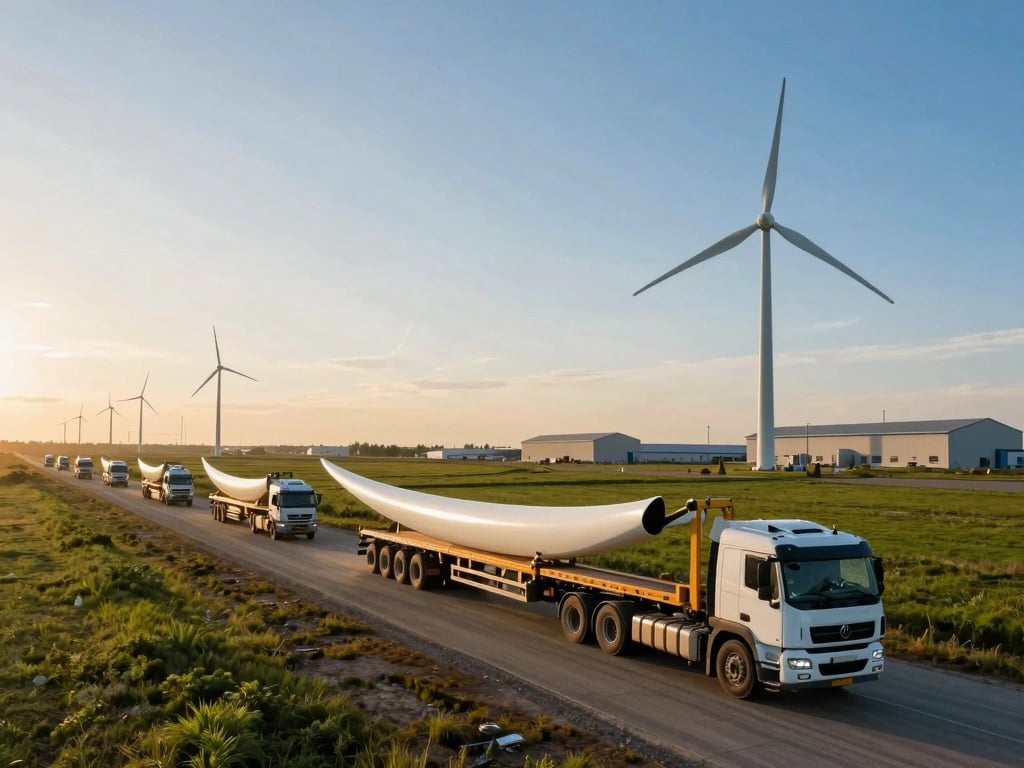
Wind turbine blades can vary significantly in size, typically ranging from 40 to 80 meters (approximately 131 to 262 feet) in length for modern turbines. For instance, the Siemens Gamesa SG 14-222 DD model features blades that are up to 107 meters (351 feet) long. The increase in blade size has been driven by the need for greater energy capture and efficiency. These large dimensions create substantial logistical challenges. The transportation process must often utilize specialized vehicles capable of transporting these oversized loads. Standard flatbed trucks are generally insufficient; instead, heavy-duty transport trucks equipped with extendable trailers are essential. Such vehicles can accommodate these lengths but require careful planning of routes to avoid obstacles like low bridges or narrow roads.
Challenges Associated with Oversized Loads
Transporting oversized wind turbine blades involves various challenges, including:
- Route Planning: Identifying viable routes that can accommodate the size of the blades while avoiding physical barriers.
- Traffic Management: Coordinating with local authorities to manage traffic and secure necessary permits for oversized loads.
- Timing and Scheduling: Aligning transportation schedules with manufacturing timelines and installation dates to minimize downtime.
Additionally, the risk of accidents or damage during transit is heightened due to the blades' weight and length. For example, a single wind turbine blade can weigh over 20 tons (approximately 18 metric tonnes), making it susceptible to bending or breaking if not properly secured.
Regulatory Considerations for Blade Transportation
Transporting oversized loads like wind turbine blades is heavily regulated. Each region may have specific laws governing the transportation of such items, which can include:
- Permitting: Obtaining special permits that outline the allowed routes, travel times, and safety measures.
- Insurance Requirements: Ensuring adequate insurance coverage for potential damages during transit.
- Compliance with Local Laws: Following local regulations regarding width, height, and weight limitations for vehicles.
Non-compliance can lead to significant delays, fines, and increased costs, making it essential for logistics teams to stay informed about the latest regulations.
Transportation Methods for Wind Turbine Blades
There are several methods for transporting wind turbine blades, each with its own advantages and limitations. The choice of transportation method depends on factors such as distance, cost, and the specific logistical challenges presented by the terrain.
Road Transportation: Logistics and Route Planning
Road transportation is the most common method for moving wind turbine blades, particularly for shorter distances. However, it requires meticulous planning. Here are critical steps involved:
- Route Assessment: Conducting a comprehensive survey of potential routes to identify obstacles, such as bridges or power lines that may restrict movement.
- Local Coordination: Collaborating with local authorities to secure permits and arrange for traffic control where necessary.
- Scheduling: Planning transportation during off-peak hours to minimize disruption and ensure safety.
For example, a logistics company might use a route planning software, like TransCAD, to simulate various scenarios and optimize the chosen path for efficiency and safety.
Rail Transport: Benefits and Limitations
Rail transport offers an alternative for moving wind turbine blades over long distances, especially when road conditions are unfavorable. The benefits of rail transportation include:
- Cost Efficiency: Rail transport can be more economical for long distances compared to road transport, particularly when moving multiple blades simultaneously.
- Reduced Road Congestion: Utilizing rail can alleviate some of the road traffic caused by oversized loads.
However, there are limitations, such as:
- Access Issues: Rail terminals may not be conveniently located near wind farm sites, necessitating additional road transport for final delivery.
- Loading and Unloading: Specialized equipment is required to load and unload blades from trains safely.
For instance, the use of modular railcars has been explored, designed specifically to accommodate the unique dimensions of wind turbine blades, thus facilitating easier loading and unloading.
Maritime Shipping: Navigating Waterway Restrictions
In some cases, maritime shipping is the most viable option for transporting blades, particularly for international projects. This method involves several considerations:
- Port Facilities: Ensuring that the ports can accommodate the large dimensions of the blades and have the necessary equipment for handling.
- Navigational Challenges: Assessing waterway restrictions, such as bridges and narrow channels, that may impact shipping routes.
For example, the transportation of blades from manufacturing facilities in Europe to offshore wind farms in the United States often requires precise logistical planning to align with shipping schedules and port capabilities.
Innovative Solutions in Blade Transportation Technology
As the demand for renewable energy grows, so does the need for innovative solutions in wind turbine blade transportation logistics. New technologies and methods are continuously being developed to enhance efficiency and safety.
Modular Transport Systems for Flexibility
Modular transport systems provide flexibility in moving wind turbine blades. These systems can be adjusted to accommodate different blade lengths and weights, allowing for a more efficient transportation process. For example, a modular system can consist of a combination of specialized trailers that can be reconfigured based on the specific dimensions of the blades being transported.
Use of Specialized Trailers and Equipment
The development of specialized trailers designed specifically for wind turbine blades is revolutionizing transportation logistics. These trailers often include features such as:
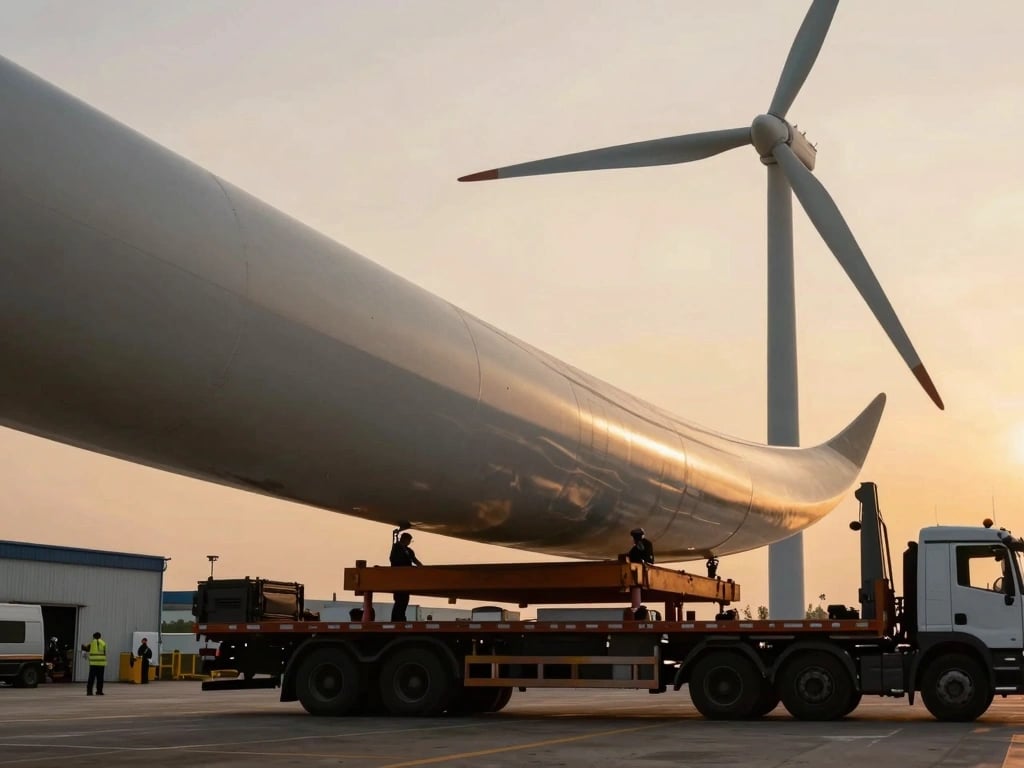
- Steering Mechanisms: Advanced steering systems that allow for tighter turning radii, making it easier to navigate urban areas.
- Adjustable Height: Ability to lower the trailer height to navigate under bridges and other obstacles.
Companies like Goldhofer and Nooteboom manufacture trailers specifically designed for heavy and oversized loads, ensuring that the blades can be transported safely without risk of damage.
Advancements in Load Securing Techniques
Securing wind turbine blades during transport is crucial to prevent damage. Recent advancements in load securing techniques include:
- Custom Cradles: Designing cradles that fit the contours of the blades, reducing movement during transit.
- Innovative Restraint Systems: Utilizing high-strength straps and tensioning systems that can withstand the forces experienced during transport.
For instance, the use of innovative materials like carbon fiber for securing systems can provide strength while minimizing weight, enhancing the overall transport efficiency.
Environmental Considerations and Sustainability in Transportation
With the increasing focus on sustainability, the logistics of transporting wind turbine blades must also consider their environmental impact.
Reducing Carbon Footprint During Transport
Strategies to reduce the carbon footprint of transporting wind turbine blades include:
- Optimized Routing: Using advanced logistics software to plan the most efficient routes that minimize travel distances and fuel consumption.
- Fuel-Efficient Vehicles: Employing modern, fuel-efficient trucks equipped with GPS and real-time traffic monitoring to reduce emissions.
For example, companies are increasingly investing in hybrid or electric heavy-duty trucks to further minimize environmental impact.
Utilizing Renewable Energy for Logistics Operations
Integrating renewable energy sources into logistics operations can significantly enhance sustainability. For example:
- Solar-Powered Facilities: Utilizing solar panels at loading and unloading facilities to power operations.
- Green Energy Partnerships: Collaborating with logistics providers that utilize renewable energy for their operations.
Such initiatives not only reduce the carbon footprint but also align the logistics operations with the overall goals of the renewable energy sector.
Evaluating Lifecycle Impact of Transportation Methods
Conducting comprehensive lifecycle assessments (LCAs) of transportation methods can provide valuable insights into their environmental impact. This includes evaluating:
- Energy Consumption: Assessing the energy required for different transport modes and their associated emissions.
- Material Use: Analyzing the materials used in transport equipment and their sustainability.
By adopting a holistic approach to evaluating transportation methods, companies can make informed decisions that align with both economic and environmental goals.
Case Studies: Successful Wind Turbine Blade Logistics Operations
Examining real-world examples of wind turbine blade logistics can provide valuable insights into effective strategies and common pitfalls.
Examining High-Profile Projects and Their Strategies
One notable case is the Hornsea One offshore wind farm in the UK, which required the transportation of over 174 turbine blades. The logistics team employed a combination of maritime and road transport, utilizing specialized vessels and heavy-duty trucks. This project highlighted the importance of meticulous planning and coordination between multiple transport modes.
Lessons Learned from Transportation Failures
Conversely, the transportation of blades for the WPD wind farm in Germany faced significant delays due to poor route planning and unforeseen obstacles. This experience underscored the critical need for comprehensive route assessments and contingency planning to mitigate risks.
Best Practices for Future Blade Transport Initiatives
Based on the successes and failures observed in these projects, best practices for future wind turbine blade transport initiatives include:
- Thorough Pre-Transport Assessments: Conducting detailed evaluations of potential routes and obstacles.
- Collaboration with Local Authorities: Engaging with local governments early in the planning process to secure necessary permits.
- Investment in Training: Ensuring that logistics teams are well-trained in handling oversized loads and utilizing specialized equipment.
By adopting these best practices, companies can enhance the efficiency and safety of wind turbine blade transportation logistics.