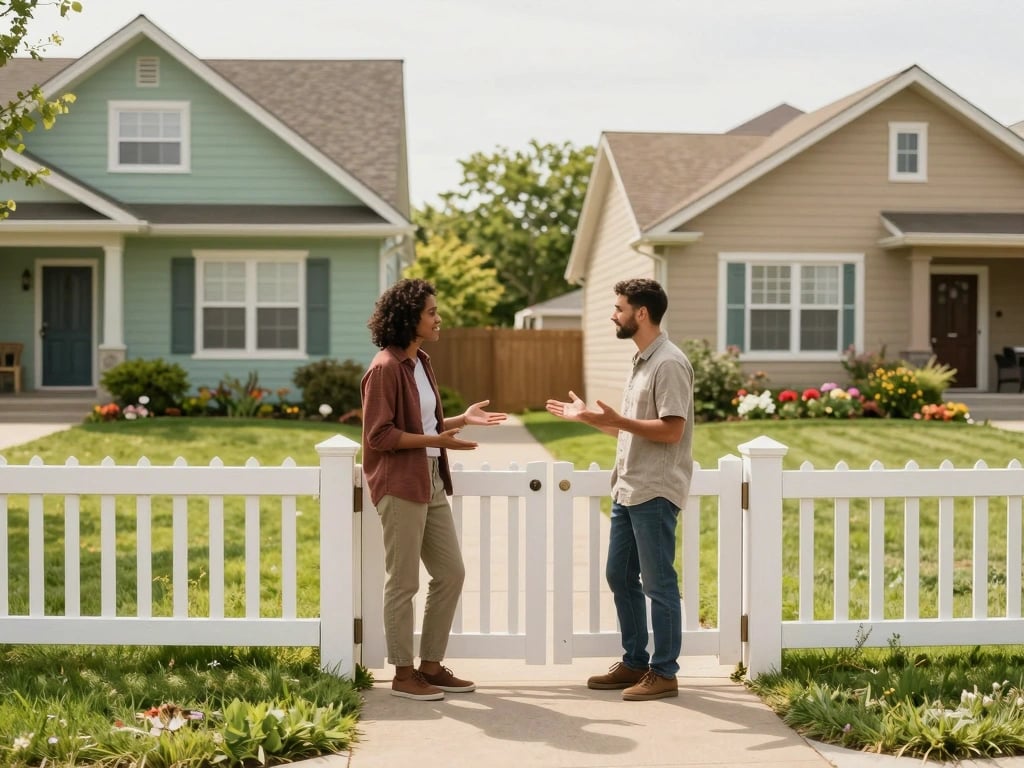
Discover how neighborhood associations can effectively resolve fence disputes, fostering harmony and cooperation within your community. Learn more now!
Understanding Fence Disputes in Neighborhoods
Fence disputes are a common issue in many communities, often arising from misunderstandings, differing expectations, or conflicting property boundaries. These disputes can create tension between neighbors and, if left unresolved, can lead to long-term animosity. Understanding the nature of these disputes is crucial for effective resolution, particularly with the involvement of neighborhood associations.
Common Causes of Fence Disputes
Fence disputes typically arise from several common causes, including:
- Property Line Confusion: One of the most prevalent causes of fence disputes is the lack of clarity regarding property lines. Many homeowners may believe they are within their rights to build or modify a fence based on an inaccurate understanding of their property's boundaries.
- Height and Style Regulations: Neighborhood associations often have specific guidelines regarding the height and style of fences. Disputes can arise when homeowners construct fences that do not comply with these regulations or when they believe their neighbors have done so.
- Maintenance Issues: Disputes can also occur when one neighbor feels that the other has neglected their fence, leading to deterioration that affects both properties. This can create resentment and lead to disagreements over responsibility for repairs.
- Disputes Over Shared Costs: When neighbors share a fence, disagreements may arise over the financial responsibility for its upkeep or replacement. This can be particularly contentious if one party is unwilling to contribute.
Legal Boundaries and Property Lines
Understanding legal boundaries is essential in resolving fence disputes. Property lines are often marked by surveys conducted by licensed surveyors, and these surveys can provide crucial documentation in disputes. However, many homeowners are not aware of the exact measurements of their property, leading to conflicts. In many jurisdictions, the law stipulates that fences must be built within property lines. If a fence is built over the line, the owner of the encroaching fence may be required to remove it or risk legal action. Neighborhood associations can play a vital role in helping homeowners access property surveys and understand local laws governing property boundaries.
The Importance of Communication Among Neighbors
Effective communication is the cornerstone of resolving fence disputes. Often, misunderstandings can escalate into conflicts simply due to a lack of dialogue. Encouraging neighbors to discuss their concerns openly can lead to mutually beneficial outcomes. Neighborhood associations can facilitate this communication by organizing community forums or providing resources on conflict resolution strategies.
The Role of Neighborhood Associations in Mediation
Neighborhood associations serve as mediators in fence disputes, leveraging their knowledge of community guidelines and local laws to help resolve conflicts amicably. Their involvement can lead to quicker resolutions, reducing tension and fostering a sense of community.
Establishing Clear Guidelines for Fence Regulations
One of the primary responsibilities of neighborhood associations is to establish clear guidelines regarding fence construction and maintenance. These guidelines typically cover:
- Allowed materials and styles for fences.
- Height restrictions.
- Required permits for construction.
- Maintenance standards to ensure the aesthetics of the neighborhood.
By clearly communicating these regulations, neighborhood associations can help prevent disputes from arising in the first place. For example, a community might adopt a guideline that all new fences must be at least three feet from the property line, thus reducing the likelihood of encroachment disputes.
Facilitating Open Dialogue Between Parties
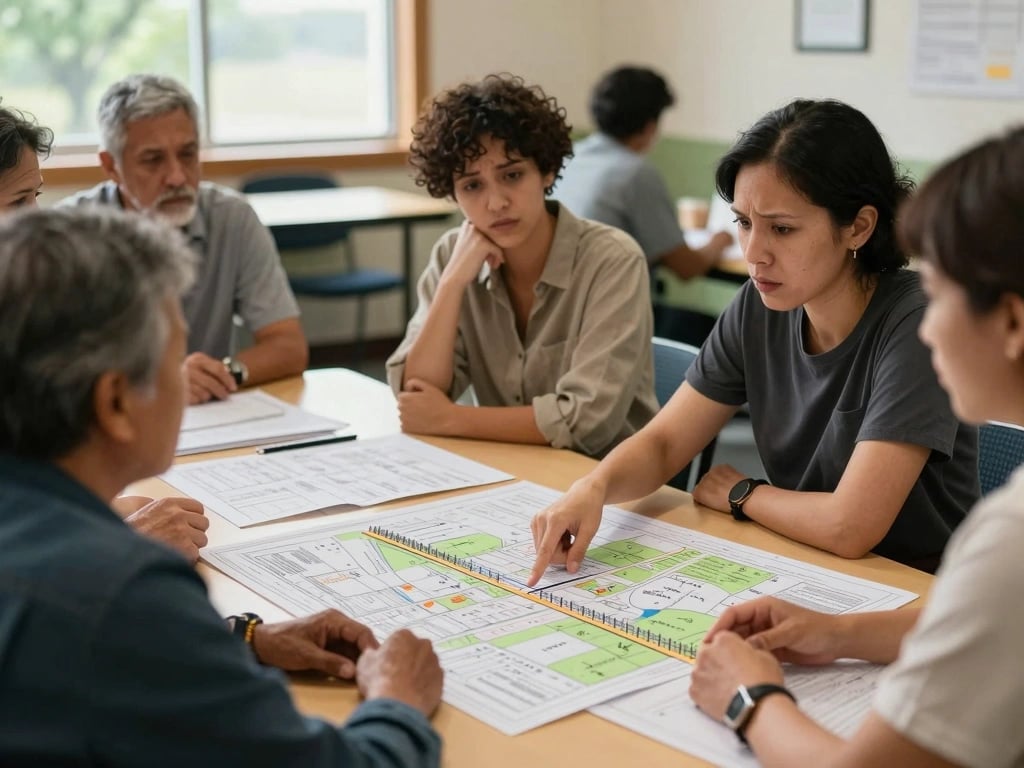
When disputes do arise, neighborhood associations can facilitate open dialogue between the affected parties. They can organize informal meetings or mediation sessions, providing a neutral space for neighbors to express their concerns and negotiate solutions. For instance, in a situation where one neighbor has built a fence that a neighbor believes is too tall, the association could arrange a meeting where both parties can present their views. This approach encourages understanding and often leads to compromises, such as lowering the fence or adding landscaping to mitigate its visual impact.
Providing Mediation Services for Disputes
Many neighborhood associations offer mediation services to help resolve disputes. Trained mediators can assist in guiding the conversation, ensuring that both parties feel heard and respected. This professional approach often results in more amicable resolutions than adversarial methods. For example, an association might set up a mediation program where trained volunteers help neighbors navigate their disputes. These sessions can lead to agreements that are documented and signed by both parties, providing a clear resolution that can prevent future conflicts.
Case Studies: Successful Resolutions by Neighborhood Associations
Examining real-world examples can illustrate how neighborhood associations effectively resolve fence disputes.
Example 1: A Dispute Resolved Through Community Meetings
In a suburban community in Texas, two neighbors disagreed over the property line after one homeowner installed a fence that the other claimed encroached on their land. The neighborhood association organized a community meeting where both parties could present their evidence, including property surveys. After discussing the issue openly, the parties reached a compromise to adjust the fence position, preventing further disputes and restoring neighborly relations.
Example 2: Mediation Leading to Compromise Solutions
In another instance, a neighborhood association in Florida faced a dispute where one homeowner constructed a fence that violated height restrictions set by the association. The mediator arranged a meeting where the homeowner explained their motivations for the fence's height, while the affected neighbor expressed their concerns about aesthetics and property value. Ultimately, they agreed to lower the fence and add decorative elements, fostering a sense of collaboration.
Example 3: Policy Changes Following Repeated Disputes
In a community in California, repeated disputes over fence regulations prompted the neighborhood association to revise its guidelines. By conducting surveys to understand residents’ preferences regarding fence heights and styles, the association developed a more inclusive policy that took into account the diverse opinions of the community. This proactive approach helped reduce future disputes and strengthened community bonds.
Preventative Measures by Neighborhood Associations
Proactive measures can significantly reduce the likelihood of fence disputes in the first place. Neighborhood associations can take several steps to educate homeowners and foster positive neighborly relations.
Educational Workshops on Property Rights
Organizing educational workshops can empower residents with knowledge about property rights and fence regulations. These workshops can cover topics such as:
- Understanding property lines and surveys.
- Local zoning laws related to fences.
- Best practices for communicating with neighbors about property issues.
By equipping residents with this information, neighborhood associations can help prevent disputes from arising and encourage a more informed community.
Creating a Neighborhood Fence Guidelines Handbook
Developing a comprehensive handbook that outlines fence regulations, maintenance expectations, and conflict resolution strategies can serve as a valuable resource for residents. This handbook can be distributed to all homeowners, ensuring everyone is aware of the community's guidelines and expectations. For instance, a neighborhood association might create a handbook that includes diagrams of acceptable fence heights, materials, and examples of compliant designs. This resource can help residents make informed decisions before constructing or modifying fences.
Encouraging Neighborly Relations Through Events
Neighborhood associations can also foster positive relationships among residents through community events. Hosting barbecues, garden parties, or clean-up days can create opportunities for neighbors to interact in a friendly setting, reducing the likelihood of conflicts over property issues. For example, an annual neighborhood block party can encourage residents to meet and discuss their ideas and concerns in a relaxed environment. These interactions can build rapport, making it easier to address potential disputes amicably when they arise.
Challenges Faced by Neighborhood Associations in Dispute Resolution
While neighborhood associations play a crucial role in resolving fence disputes, they often face several challenges that can complicate their efforts.
Resistance from Disputing Parties
One significant challenge is the resistance from parties involved in a dispute. Emotions can run high during conflicts, and some individuals may be unwilling to engage in mediation or comply with guidelines set by the association. This resistance can prolong disputes and strain community relations. For instance, a homeowner adamant about their right to a fence height may refuse to engage with the neighborhood association, making resolution difficult. In such cases, the association must tread carefully, balancing assertiveness with diplomacy to encourage cooperation.
Limitations in Authority and Enforcement
Neighborhood associations often have limited authority and enforcement capabilities. While they can establish guidelines and mediate disputes, they may lack the power to enforce compliance without the support of local authorities. This limitation can hinder their ability to resolve disputes effectively. For example, if a homeowner refuses to comply with a fence height restriction, the association may struggle to enforce the guideline without involving legal channels, which can be costly and time-consuming.
Balancing Diverse Opinions Within the Community
Lastly, neighborhood associations must navigate the diverse opinions and preferences of residents. What one homeowner views as a reasonable fence height may be seen as excessive by another. Balancing these differing opinions while fostering a sense of community can be challenging. For instance, in a community with varying architectural styles, establishing a uniform fence guideline that satisfies all homeowners can be difficult. The association must engage in ongoing dialogue to ensure that all voices are heard and that policies reflect the community's values.
Conclusion
In conclusion, neighborhood associations play a critical role in resolving fence disputes by establishing guidelines, facilitating communication, and providing mediation services. By taking proactive measures, such as educational workshops and community events, associations can foster positive neighborly relations and mitigate disputes before they escalate. However, they must also navigate challenges, including resistance from disputing parties and diverse opinions within the community. Ultimately, a collaborative approach to dispute resolution not only benefits individual homeowners but also strengthens the fabric of the community as a whole.