Explore the top indie game funding paths to watch in 2026. Discover innovative strategies and opportunities to finance your game development journey.
Emerging Crowdfunding Platforms for Indie Games
Trends in Crowdfunding Models
The crowdfunding landscape for indie games has evolved significantly over the past few years, and by 2026, several emerging trends are set to shape how developers secure funding. Traditional platforms like Kickstarter and Indiegogo remain popular; however, new contenders are entering the space, offering unique features that cater specifically to the indie game community.
One notable trend is the rise of subscription-based crowdfunding models, where backers commit to recurring payments in exchange for ongoing content or exclusive access. Platforms like Patreon have popularized this model, and in 2026, more platforms tailored specifically to game developers are anticipated to emerge, allowing for a steady income stream while fostering a community around the game.
Another trend is the increasing importance of community engagement in the funding process. Developers are now focusing on building a loyal fanbase before launching their campaigns, often through social media and other interactive platforms. This approach not only helps in gathering initial funds but also in ensuring that the game developed aligns with community expectations.
Successful Case Studies from 2025
Examining successful campaigns from 2025 provides valuable insights into what works in the current crowdfunding environment. One standout example is the game "Elysium’s Echo," which raised over $500,000 on a newly launched platform called GameFundMe. This platform emphasized a community-driven approach, allowing backers to vote on game features and art styles, which significantly increased engagement and support.
Another notable case is "Pixel Quest," which utilized a hybrid model combining traditional crowdfunding with a subscription-based model. They initially raised $300,000 through a Kickstarter campaign, and then shifted to Patreon for ongoing support, which resulted in a continuous influx of $10,000 per month. This strategy not only secured initial funding but also provided financial stability during development.
Comparative Analysis of Platforms
As the crowdfunding landscape diversifies, comparing platforms becomes critical for indie developers. Below is a comparative analysis of some of the most popular platforms in 2026:
- Kickstarter: Still the leader in crowdfunding, it offers a broad audience but requires all-or-nothing funding, which can deter some developers.
- Indiegogo: Offers flexible funding options, allowing developers to keep funds even if the target isn't met. However, it has a smaller gaming community compared to Kickstarter.
- GameFundMe: A new contender focusing exclusively on games, it emphasizes community involvement and recurring funding models, attracting dedicated gamers.
- Patreon: While not solely a crowdfunding platform, it allows developers to secure ongoing support, which is increasingly popular among indie developers.
Choosing the right platform will depend on a developer's specific needs, goals, and the type of community they aim to build around their game.
Innovative Use of NFTs in Game Funding
Understanding NFT Mechanics for Funding
Non-fungible tokens (NFTs) have revolutionized the way digital assets are bought, sold, and funded, providing unique opportunities for indie game developers. By 2026, the integration of NFTs into game funding has become more sophisticated, allowing developers to tokenize in-game assets and offer them as part of their crowdfunding campaigns.
Developers can create and sell NFTs that represent ownership of unique in-game items, characters, or even early access to the game. This method not only provides initial funding but also engages the community by giving them a stake in the game's success. The scarcity and exclusivity of NFTs can drive demand, leading to higher funding levels and greater community investment.
Success Stories of NFT-funded Games
Several indie games successfully leveraged NFTs for funding in 2025, setting a precedent for future projects. "CryptoQuest," an action-adventure game, raised $1.2 million through the sale of NFT collectibles that granted players exclusive in-game content and rewards. The game's developers also conducted an NFT auction for early access, which attracted significant attention and funding.
Another success story is "MetaWorlds," which used a dual funding approach combining traditional crowdfunding with NFT sales. They raised $800,000 initially through Kickstarter and subsequently sold NFTs representing unique worlds within the game, bringing in an additional $400,000. This approach not only diversified their funding sources but also built a robust community around the game.
Future Prospects of NFTs in Indie Game Development
Looking forward, the use of NFTs in indie game development is expected to expand further. By 2026, we anticipate the emergence of platforms that specialize in NFT-based game funding, providing developers with the tools to create, sell, and manage NFTs seamlessly. Additionally, as the technology matures, we could see more innovative uses of NFTs, such as dynamic NFTs that evolve based on player choices or achievements within the game.
As regulatory frameworks around NFTs become clearer, we expect wider adoption among indie developers who can leverage this technology to create sustainable funding models. The intersection of gaming and blockchain technology will likely continue to open new avenues for funding and community engagement.
Government Grants and Support for Indie Developers
Overview of Available Grants in 2026
Government support for indie game development has seen a notable increase in 2026, with various grants and funding programs available to foster creativity and innovation in the gaming industry. Countries like Canada, the UK, and France have established dedicated grants aimed at supporting indie developers.
For instance, Canada’s Interactive Digital Media Fund (IDMF) has allocated $10 million for indie game projects, focusing on innovation and market potential. Similarly, the UK’s Video Games Tax Relief (VGTR) continues to provide substantial tax relief for eligible indie projects, encouraging more developers to explore new ideas and technologies.
In the US, various state-level grants have emerged, with California's Indie Game Fund providing up to $100,000 for qualifying projects that show community engagement and economic impact. These grants not only provide financial support but also validate the importance of indie games in the broader cultural landscape.
Application Processes and Best Practices
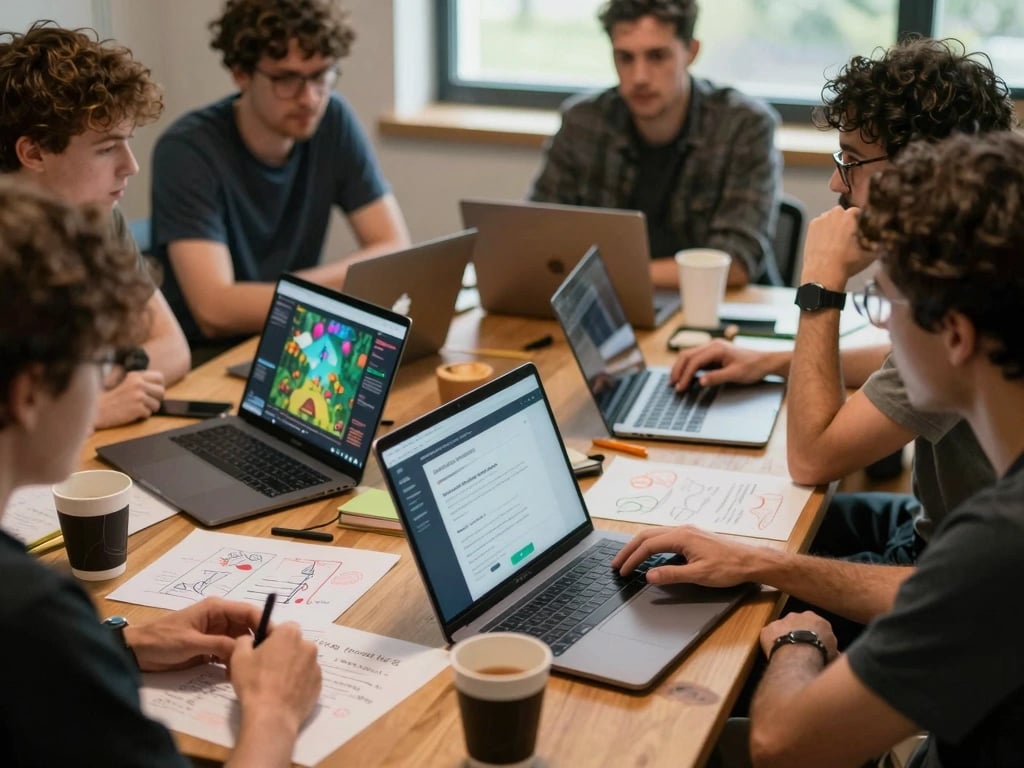
Applying for government grants can be competitive and challenging. To navigate this process successfully, indie developers should follow best practices that can enhance their chances of securing funding:
- Research Thoroughly: Understand the specific requirements and goals of each grant program. Tailor your proposal to align with these objectives.
- Present a Strong Business Case: Clearly outline the game's concept, target audience, and potential market impact. Providing data and analytics can strengthen your case.
- Highlight Community Engagement: Many grant programs prioritize projects that engage with local communities. Demonstrating how your game will connect with players can be a significant advantage.
- Seek Feedback: Before submitting, seek feedback on your proposal from industry peers or mentors. Constructive criticism can help refine your application.
By adhering to these best practices, indie developers can improve their chances of receiving government support, which can be instrumental in realizing their creative visions.
Impact of Government Support on Indie Game Success
The impact of government grants and support on the success of indie games is substantial. Funding not only provides the financial backing needed to bring projects to life but also lends credibility to the developers and their games. For example, "Silent Echoes," an indie horror game funded through the UK's VGTR, received widespread acclaim and generated over $2 million in sales within its first year of release, largely attributed to the initial grant support that enabled its development.
Moreover, government support often opens doors to additional funding opportunities and partnerships, as developers with grants are more likely to attract interest from private investors and crowdfunding platforms. As the indie game sector continues to grow, the role of government funding will remain crucial in fostering innovation and creativity.
Collaborative Funding Models: Co-Funding and Partnerships
Benefits of Co-Funding for Indie Developers
Collaborative funding models, such as co-funding and partnerships, have gained traction among indie developers looking to share resources, risks, and expertise. By 2026, these models have become increasingly popular, allowing developers to pool their resources and expertise to create more ambitious projects.
One of the primary benefits of co-funding is the ability to access a larger pool of capital. When multiple developers or studios collaborate, they can combine their funding efforts, increasing the overall budget available for project development. Furthermore, sharing costs can alleviate financial pressures, allowing teams to focus on creativity and innovation.
Co-funding also enables developers to tap into each other's networks and audiences, enhancing marketing efforts and community engagement. For example, when two indie studios collaborated on "Shadow Realms," they not only shared funding but also combined their fan bases, resulting in a successful launch and significant post-launch sales.
Successful Partnerships in the Indie Game Scene
Several successful partnerships have emerged in the indie game scene, showcasing the potential of collaborative funding models. "Echoes of Time," a narrative-driven RPG, was developed through a partnership between two indie studios, which allowed them to share resources and expertise. The game raised $1 million through a co-funding model and received critical acclaim upon release, highlighting how collaboration can enhance a game's quality and marketability.
Another example is the cooperative project "Distant Shores," which involved multiple indie developers from different countries. They pooled their resources to create a unique platformer that showcases distinct art styles and gameplay mechanics from each developer. This partnership not only resulted in a successful game but also established a network of ongoing collaboration between the studios involved.
Platforms Facilitating Collaborative Funding
As the demand for collaborative funding models grows, several platforms have emerged to facilitate these partnerships. Platforms like IndieFund and Co-op Games provide frameworks for developers to connect, collaborate, and co-fund projects. These platforms often feature tools that allow studios to pitch their projects and find potential partners who share similar goals and visions.
Additionally, online communities and forums have become valuable resources for indie developers seeking collaboration opportunities. Platforms such as Discord and Reddit have dedicated spaces for developers to connect, share ideas, and explore co-funding possibilities. By utilizing these resources, indie developers can enhance their chances of securing funding and creating successful games.
Venture Capital Trends Focused on Indie Games
Investor Interest in Indie Game Projects
In recent years, venture capital (VC) interest in indie game projects has surged, and by 2026, this trend shows no signs of slowing down. Investors are increasingly recognizing the potential of indie games to deliver unique experiences and high returns. The rise of mobile gaming and the accessibility of development tools have made it easier for indie developers to create compelling games that attract attention.
In 2025, the total funding for indie game projects from VC firms reached $600 million, highlighting the growing confidence in the indie gaming sector. Notable investors like Andreessen Horowitz and Sequoia Capital have established dedicated funds specifically for gaming, signaling a shift in how venture capital perceives the industry.
Key Metrics for Attracting Venture Capital
To attract venture capital, indie developers must focus on key metrics that demonstrate the viability and potential of their projects. Investors typically look for:
- Market Potential: A clear understanding of the target audience and market size is crucial. Developers should provide data on similar successful games and their revenue potential.
- Unique Selling Proposition (USP): Indie games must stand out in a crowded market. Developers should articulate what makes their game unique and why it will resonate with players.
- Proven Traction: Demonstrating early success through pre-sales or a strong community can significantly enhance a project's appeal to investors.
By presenting a compelling case based on these metrics, indie developers can increase their chances of securing venture capital funding.
Predicted Changes in VC Strategies for 2026
As the indie game landscape continues to evolve, venture capital strategies are also expected to adapt. In 2026, we predict a shift towards more flexible funding models, with investors looking to provide support beyond just capital. This may include mentorship, access to industry networks, and marketing support to help indie developers thrive.
Additionally, as indie games become more mainstream, VCs may begin to diversify their portfolios by investing in a wider range of genres and styles. This could lead to an increase in funding for experimental and niche games that push the boundaries of traditional gaming.
In conclusion, the funding landscape for indie games in 2026 is poised for exciting developments. By leveraging emerging crowdfunding platforms, innovative use of NFTs, government support, collaborative funding models, and venture capital interest, indie developers have more opportunities than ever to bring their creative visions to life. As the industry continues to grow, the paths to funding will become increasingly diverse, making it an exciting time for indie game developers and players alike.