
Learn how to build an emergency fund from scratch with our step-by-step guide. Secure your finances and prepare for unexpected expenses today!
Understanding the Importance of an Emergency Fund
What Constitutes an Emergency Fund?
An emergency fund is a dedicated savings account that is set aside specifically for unexpected expenses or financial emergencies. This can include situations such as job loss, medical emergencies, car repairs, or urgent home repairs. The primary goal of an emergency fund is to provide a financial safety net that allows individuals to handle unforeseen circumstances without going into debt.
Why an Emergency Fund is Essential for Financial Security
Financial security is built on the foundation of preparedness. An emergency fund serves as a buffer between you and life’s uncertainties. A well-established fund can help you avoid the pitfalls of high-interest debt, such as credit cards or payday loans, which can arise when unexpected expenses occur. For example, consider a scenario where your car breaks down unexpectedly, and the repair costs $1,500. If you have an emergency fund, you can cover this expense without resorting to borrowing money or using a credit card, allowing you to maintain your financial stability.
Common Misconceptions About Emergency Funds
- “I don’t need an emergency fund if I have credit cards.” While credit cards can provide immediate funds, they often come with high-interest rates that can lead to long-term debt. An emergency fund allows for immediate access to cash without incurring further financial strain.
- “My emergency fund doesn’t need to be large.” The size of your emergency fund should reflect your personal financial situation and potential risks. A common recommendation is to save three to six months' worth of living expenses.
- “I can always rely on family or friends.” While support from loved ones can be invaluable, it’s not a guaranteed solution. Having your own emergency fund ensures you have the necessary financial resources at your disposal.
Assessing Your Current Financial Situation
Calculating Your Monthly Expenses
The first step in building an emergency fund is to have a clear understanding of your monthly expenses. This includes fixed expenses such as rent or mortgage, utilities, groceries, transportation, and insurance, as well as variable expenses like entertainment and dining out.
To calculate your monthly expenses, track your spending for at least one month. Use budgeting apps like Mint or YNAB (You Need A Budget) to categorize and analyze your expenditures. For instance, if your total monthly expenses amount to $3,000, this is the figure you will base your emergency fund calculations on.
Identifying Income Sources and Stability
Next, evaluate your income sources. Consider your primary job, any side gigs, and other sources of income. Assess the stability of these income streams. For example, if you work in a stable corporate job earning $4,500 monthly and also freelance for an additional $1,000, you have a solid income base. However, if your freelance work is inconsistent, you might need to be more conservative in your savings goals.
Evaluating Existing Savings and Debts
Take inventory of any existing savings. If you already have a small amount saved, factor this into your emergency fund goal. Additionally, evaluate any existing debts. Understanding your debt situation—such as credit card balances, student loans, or mortgages—will help you prioritize your financial goals more effectively. For instance, if you have $10,000 in credit card debt and $2,000 in savings, it may be wise to focus on building your emergency fund while also paying down high-interest debt.
Setting a Realistic Emergency Fund Goal
Determining the Right Amount for Your Fund
Once you have a clear picture of your expenses and financial situation, it's time to set a realistic emergency fund goal. A common guideline is to save three to six months' worth of living expenses. If your monthly expenses are $3,000, your target emergency fund should be between $9,000 and $18,000. This amount should be sufficient to cover essential expenses during an unexpected event, such as a job loss.
Considering Personal Circumstances and Risks
Your personal circumstances play a crucial role in determining the size of your emergency fund. Factors such as job stability, health conditions, and family responsibilities can affect how much you need to save. For instance, if you have a stable government job, you might lean towards the lower end of the recommended savings range, while a freelancer with variable income may want to aim for six months or more.
Creating a Timeline for Your Savings Goal
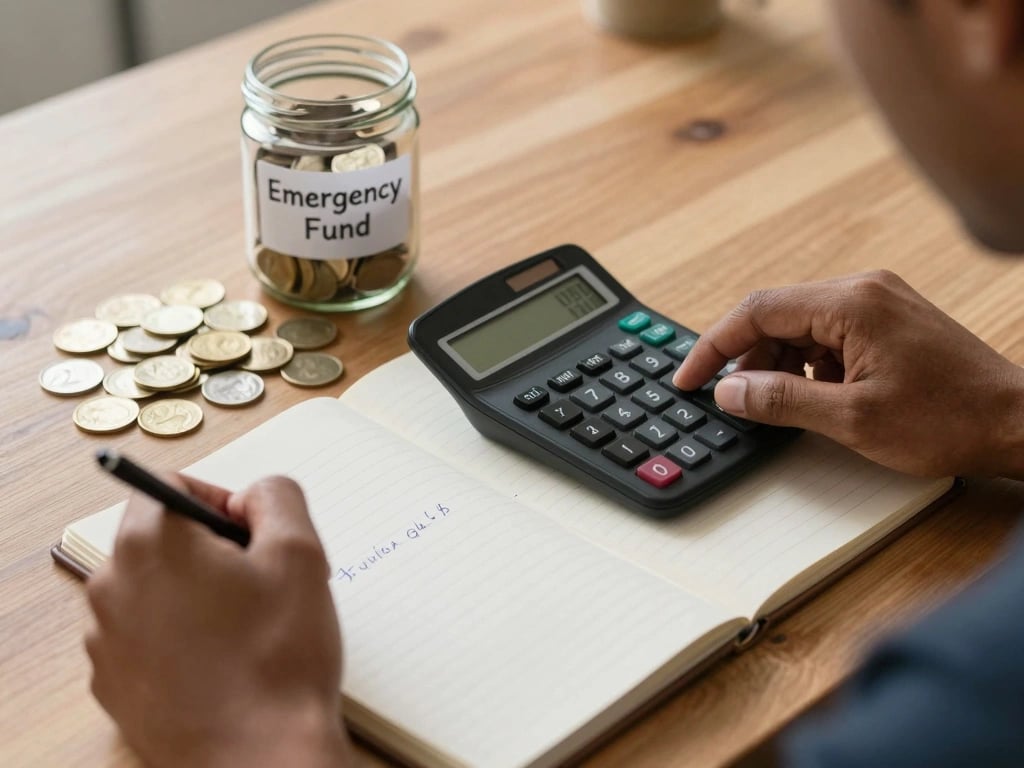
Setting a timeline can help you stay motivated and focused. Start by determining how much you can realistically save each month. For example, if you aim to save $12,000 over the next two years, you would need to save $500 per month. Break this down further into weekly goals to make it more manageable—$125 per week. Track your progress regularly to maintain motivation and make adjustments as needed.
Strategies to Start Saving for Your Emergency Fund
Creating a Budget to Free Up Savings
Creating a budget is a powerful tool to help you identify areas where you can cut expenses and allocate those funds to your emergency savings. Start by categorizing your expenses into needs and wants. For example, while you may need to spend on groceries and utilities, consider cutting back on dining out or subscription services. By identifying these areas, you can redirect those funds towards your emergency fund.
Consider implementing the 50/30/20 rule: allocate 50% of your income to needs, 30% to wants, and 20% to savings. If your monthly income is $4,500, this would mean $900 per month towards savings, which can significantly boost your emergency fund contributions.
Finding Extra Income Opportunities
To accelerate your emergency fund savings, explore opportunities to increase your income. This could include taking on a part-time job, freelancing, or selling items you no longer need. For instance, if you can freelance graphic design for an additional $200 per month, that adds up to $2,400 over a year, significantly speeding up your savings goal.
Another option is to consider gig economy jobs such as driving for Uber or delivering food through services like DoorDash. These flexible opportunities can provide additional income that can be directly funneled into your emergency fund.
Automating Your Savings Process
Automating your savings can help ensure that you consistently contribute to your emergency fund without having to think about it. Set up an automatic transfer from your checking account to your savings account right after you receive your paycheck. For example, if you decide to save $500 monthly, schedule the transfer for the day after your paycheck is deposited. This “pay yourself first” strategy makes saving effortless and reduces the temptation to spend that money.
Maintaining and Growing Your Emergency Fund
Regularly Reviewing and Adjusting Your Goal
As your financial situation changes, it’s important to regularly review and adjust your emergency fund goal. Life events such as a new job, a move, or changes in family circumstances can affect your expenses and savings needs. Set a reminder to review your financial situation every six months. If your monthly expenses increase to $3,500, adjust your emergency fund target to reflect this change (i.e., $10,500 to $21,000). Regular reviews help ensure your emergency fund remains adequate and relevant.
Choosing the Right Savings Account for Growth
To maximize the potential growth of your emergency fund, choose a savings account with a high interest rate and no fees. Online banks often offer better interest rates than traditional banks. For example, while a standard savings account might offer 0.01% interest, some high-yield savings accounts provide rates of 2% or more. This difference can significantly increase your savings over time. If you save $10,000 at a 2% interest rate, you’ll earn about $200 in interest over a year, which can be a helpful boost to your fund.
When to Use Your Emergency Fund and When Not To
Knowing when to tap into your emergency fund is crucial. Use it only for genuine emergencies, such as medical expenses, job loss, or unavoidable home repairs. For instance, if your roof leaks and requires immediate repair costing $1,200, this is a valid reason to use your emergency fund.
However, do not use your emergency fund for non-emergent expenses such as vacations, holiday shopping, or routine bills. These situations should be planned for in your regular budget. Using your emergency fund for these purposes can undermine its purpose and leave you vulnerable in genuine emergencies.