Discover how specialty coffee roasters source single-origin beans, ensuring quality and flavor in every cup. Explore the journey from farm to cup today!
Understanding Single-Origin Coffee
Definition and Characteristics of Single-Origin Beans
Single-origin coffee refers to beans that are sourced from one location, be it a specific country, region, or even a single farm. This sourcing method highlights the unique flavors and characteristics inherent to that particular locale. Unlike blends that combine beans from various origins to create a uniform flavor profile, single-origin coffees allow the distinct qualities of a particular area to shine through.
The characteristics of single-origin beans can vary widely based on factors such as altitude, climate, soil type, and cultivation practices. For example, a high-elevation coffee from Ethiopia may present bright acidity and floral notes, while a coffee from Colombia might showcase a smooth, caramel-like sweetness. These nuances make single-origin coffees particularly appealing to specialty coffee roasters who seek to offer their customers unique tasting experiences.
Importance of Terroir in Flavor Profiles
Terroir, a term borrowed from winemaking, refers to the environmental factors that affect a crop's phenotype. In the coffee world, terroir encompasses the geography, geology, climate, and even the farmer's cultivation methods. Specialty coffee roasters pay close attention to terroir because it plays a crucial role in determining the flavor profiles of the beans.
For instance, coffee grown in volcanic soil often possesses distinctive mineral qualities, while beans cultivated in regions with ample rainfall may exhibit fruity notes due to the increased moisture. Understanding these relationships allows roasters to select beans that match their desired flavor profiles, leading to a more curated and enjoyable coffee experience for consumers.
Key Regions Known for Single-Origin Coffee
Several regions around the world are renowned for producing exceptional single-origin coffee. Each region offers its unique flavor profiles influenced by local growing conditions:
- Ethiopia: Often considered the birthplace of coffee, Ethiopian coffees are known for their complex flavors, including berry, floral, and citrus notes.
- Colombia: This country is famous for its smooth, well-balanced coffees, often showcasing caramel and nutty flavors.
- Jamaica: Home to the highly sought-after Blue Mountain coffee, known for its mild flavor and lack of bitterness.
- Guatemala: Guatemalan coffees are appreciated for their chocolatey and spicy notes, often with a full body and bright acidity.
- Yemen: With a long history of coffee cultivation, Yemeni coffees are known for their distinct, rich flavors, often with a syrupy body.
Building Relationships with Coffee Farmers
The Role of Direct Trade in Sourcing
Direct trade is an increasingly popular method for specialty coffee roasters to source single-origin beans. Unlike traditional purchasing methods, which often involve multiple intermediaries, direct trade allows roasters to establish direct relationships with coffee farmers. This approach often results in higher quality beans and better prices for farmers.
For example, roasters like Intelligentsia Coffee have built a direct trade model that emphasizes transparency and communication with farmers. By visiting farms and engaging with producers, they ensure that the beans are sourced ethically while allowing farmers to receive a fair price for their labor and produce.
Establishing Trust and Long-term Partnerships
Building trust between specialty coffee roasters and farmers is essential for successful sourcing. Roasters who commit to long-term partnerships can provide farmers with stability, allowing them to invest in better cultivation techniques and improve the quality of their beans. This approach often results in a win-win situation where roasters benefit from superior products, and farmers gain economic security.
For instance, Counter Culture Coffee has established long-term relationships with farmers in various regions, resulting in consistent quality and the ability to collaborate on best practices in coffee production. This type of partnership fosters a sense of community and shared goals, enhancing the overall quality of the coffee produced.
Impact of Fair Trade Practices on Sourcing
Fair Trade practices aim to ensure that farmers receive fair compensation for their work while promoting sustainable farming practices. For specialty coffee roasters, sourcing Fair Trade certified beans can enhance their brand image and appeal to ethically-conscious consumers.
Companies like Equal Exchange focus on Fair Trade practices, offering roasters the opportunity to support small-scale farmers while ensuring that the beans meet quality standards. While Fair Trade certification can provide a safety net for farmers, many specialty roasters also seek to go beyond Fair Trade to create direct relationships that foster trust and community development.
Evaluating Quality Through Cupping
What is Coffee Cupping?
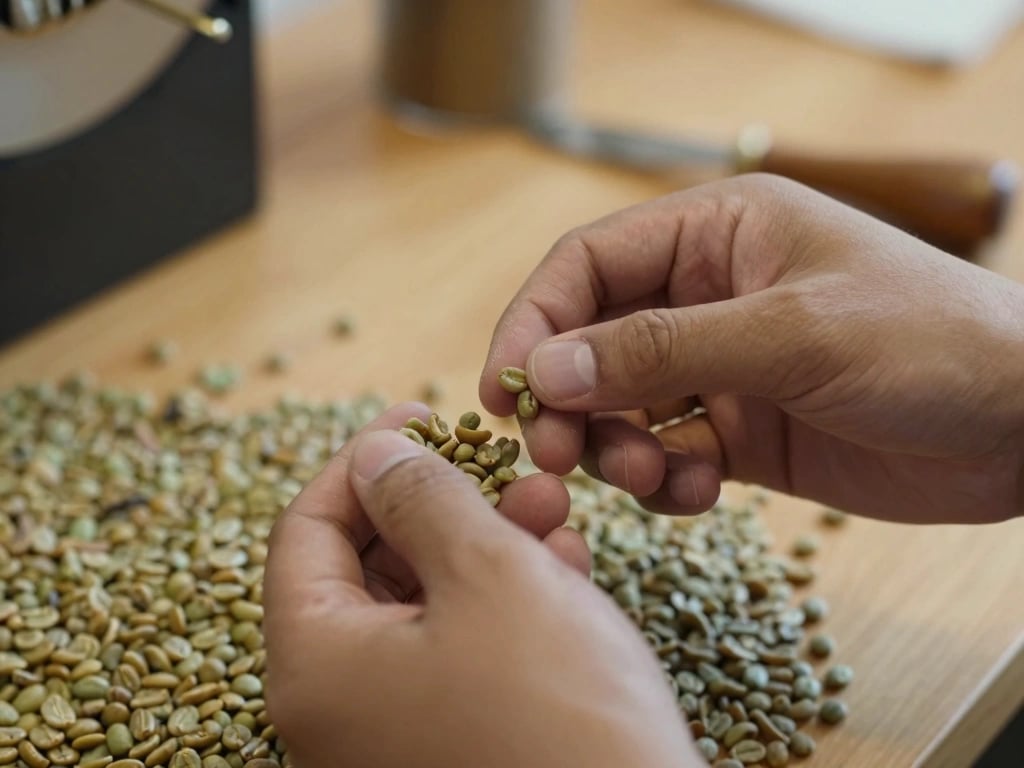
Cupping is a standardized method used by coffee professionals to evaluate the aromas and flavors of coffee beans. During a cupping session, roasters brew coffee using a specific ratio of coffee to water, allowing them to assess the beans' characteristics systematically. This practice is crucial for roasters when selecting single-origin beans, as it provides a clear understanding of flavor profiles and quality.
The cupping process involves several steps, including grinding the beans, steeping them in hot water, and then using a spoon to slurp the coffee. This method helps to aerate the coffee, enhancing the ability to detect various flavor notes. The entire process enables roasters to make informed decisions about which beans to source for their offerings.
How Roasters Assess Quality and Flavor
When assessing the quality of single-origin coffees, specialty roasters look for specific attributes such as acidity, body, sweetness, and aftertaste. Each of these characteristics contributes to the overall flavor profile and drinking experience. For example, a coffee that exhibits bright acidity and a heavy body might be considered excellent for espresso, while a light-bodied coffee with floral notes could be ideal for pour-over brewing.
Roasters may use a scoring system, often based on a 100-point scale, to quantify their evaluations. This objective measure helps them compare different beans and select those that align best with their desired flavor profiles.
Importance of Consistency in Sourcing
Consistency is a crucial factor for specialty coffee roasters when sourcing single-origin beans. Customers often develop a preference for specific flavors, and maintaining that quality over time is essential for customer satisfaction. To achieve this consistency, roasters must work closely with farmers to understand the variables that can affect coffee quality, such as weather conditions, harvest times, and processing methods.
Roasters who prioritize consistency often conduct regular cupping sessions throughout the year to ensure that their offerings remain true to the flavor profiles that customers expect. By maintaining open lines of communication with farmers and being adaptable to changes in production, roasters can mitigate the risks associated with sourcing single-origin beans.
Navigating the Supply Chain
From Farm to Roastery: Supply Chain Dynamics
The journey of single-origin coffee beans from the farm to the roastery is complex and involves several stages. After harvesting, beans must be processed, dried, and stored before being shipped to roasters. Each of these steps can significantly impact the quality of the final product.
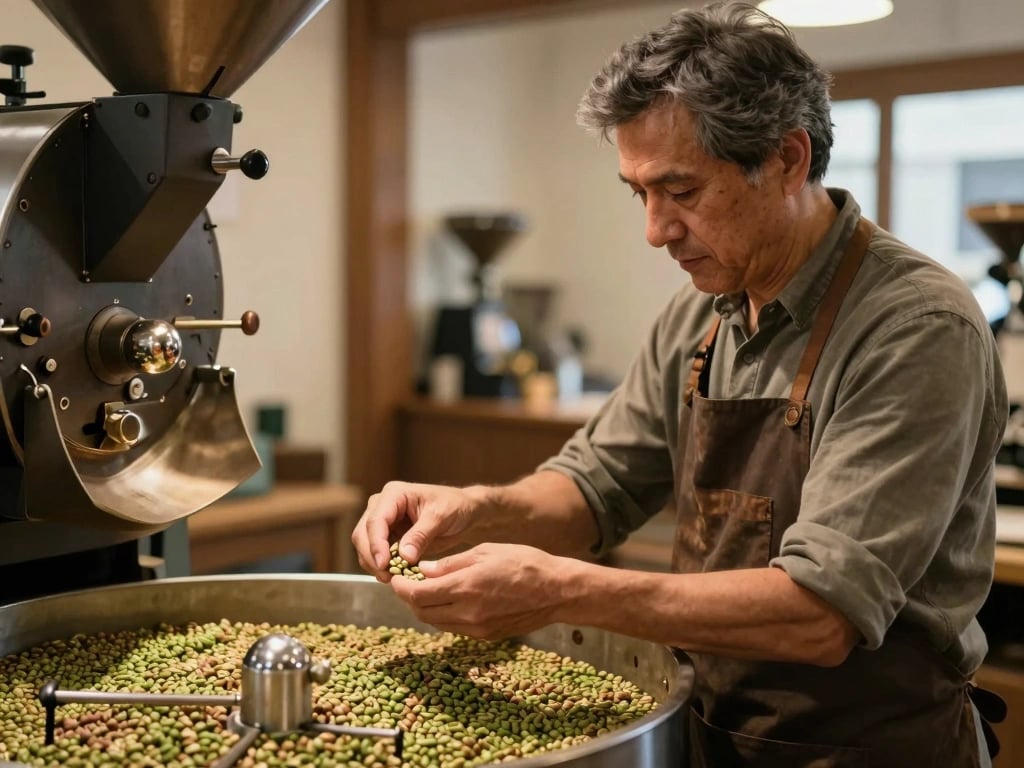
Specialty coffee roasters often collaborate with importers who specialize in sourcing high-quality beans. These importers play a vital role in ensuring that beans are handled with care throughout the supply chain, from processing to shipping. Once the beans reach the roastery, they undergo further evaluation and quality control before roasting.
Influence of Importers and Exporters
Importers and exporters serve as intermediaries in the coffee supply chain, and their practices can significantly affect the quality and availability of single-origin beans. Specialty coffee roasters often seek out importers who share their values and commitment to quality. For example, companies like Royal Coffee focus on sourcing high-quality beans while ensuring transparency and ethical practices throughout the supply chain.
By partnering with reputable importers, specialty roasters can access a diverse range of single-origin coffees while also supporting sustainable farming practices and fair compensation for farmers.
Logistics Challenges in Sourcing Single-Origin Beans
Sourcing single-origin beans presents unique logistical challenges that specialty coffee roasters must navigate. Factors such as transportation delays, customs regulations, and fluctuations in availability can impact the consistency of supply. Additionally, beans sourced from remote regions may require specialized shipping methods to ensure they arrive in optimal condition.
To mitigate these challenges, many specialty roasters build strong relationships with their supply chain partners, allowing for better communication and problem-solving capabilities. Roasters may also consider diversifying their sourcing strategies to reduce reliance on a single origin or supplier, thereby enhancing their resilience to potential disruptions.
Ethical and Sustainable Sourcing Practices
Environmental Impact of Coffee Production
As awareness of environmental issues grows, specialty coffee roasters are increasingly focused on sourcing beans sustainably. Coffee production can have significant environmental impacts, including deforestation, water pollution, and biodiversity loss. Roasters who prioritize ethical sourcing often seek out organic or shade-grown coffees that promote sustainable farming practices.
For instance, roasters like Stumptown Coffee Roasters have committed to sourcing organic and environmentally friendly beans, recognizing the importance of protecting the ecosystems in which coffee is grown. By choosing sustainable practices, roasters not only enhance the quality of their products but also contribute to the overall health of the planet.
Supporting Local Communities Through Sourcing
Ethical sourcing goes beyond environmental considerations; it also encompasses social responsibility. Specialty coffee roasters have the opportunity to support local communities by sourcing beans directly from farmers and investing in community development. This approach helps to create a more equitable coffee supply chain and empowers farmers to improve their livelihoods.
For example, Onyx Coffee Lab actively engages with farmers to support educational initiatives and infrastructure improvements in coffee-growing regions. By investing in local communities, roasters foster a sense of collaboration and shared success, creating a more sustainable coffee industry.
Transparency in the Supply Chain
Transparency is a fundamental aspect of ethical sourcing practices. Specialty coffee roasters who prioritize transparency provide consumers with information about the origins of their beans, ensuring that customers understand the journey behind their cup of coffee. This practice not only builds trust with consumers but also encourages accountability throughout the supply chain.
Roasters often share stories about the farmers they work with, detailing the challenges and successes of coffee production. Companies like Blue Bottle Coffee have embraced transparency by highlighting their sourcing practices and the relationships they build with farmers. By doing so, they create a deeper connection between consumers and the coffee they enjoy.