
Learn how to navigate the amateur radio licensing process with our beginner's guide. Get tips, resources, and insights for first-timers in this exciting hobby!
Understanding Amateur Radio Licensing Levels
Overview of License Classes
Amateur radio, often referred to as ham radio, offers a unique blend of technology, communication, and community service. For those looking to join this engaging hobby, understanding the licensing structure is essential. In the United States, the Federal Communications Commission (FCC) regulates amateur radio and has established three primary license classes: Technician, General, and Extra. Each class offers different privileges and responsibilities, catering to various levels of expertise and interest.
Differences Between Technician, General, and Extra Licenses
- Technician License: This is the entry-level license and is ideal for beginners. It grants access to the VHF and UHF bands, which are great for local communications. Technicians can also use certain privileges on the HF bands, essential for long-distance communication.
- General License: Once a Technician licensee has gained some experience, they may choose to upgrade to a General license. This license opens up additional HF bands, allowing operators to communicate worldwide. The exam for this level covers more technical aspects and regulations.
- Extra License: The pinnacle of amateur radio licensing, the Extra license allows operators the most extensive privileges across all amateur bands. This license requires a deeper understanding of radio theory, regulations, and advanced operating practices.
Choosing the Right License Class for You
Choosing the right license class depends on your interests and commitment level. If you’re excited to start quickly and engage in local communications, the Technician license is a great choice. For those interested in international communications and advanced technical knowledge, the General license may be more appealing. The Extra license is the option for individuals dedicated to mastering the craft of amateur radio.
The Exam Process for First-Time Licensees
Preparing for the Technician License Exam
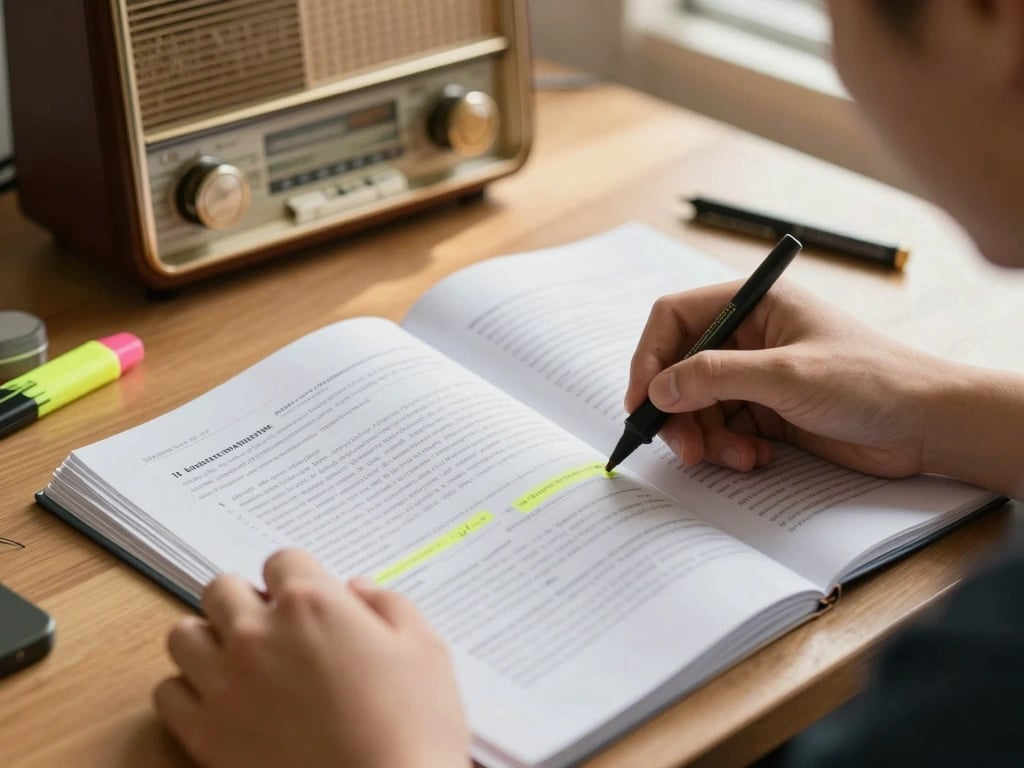
The Technician license exam consists of 35 multiple-choice questions covering basic regulations, operating practices, and radio theory. To prepare, it’s recommended to study using resources tailored for the Technician exam, such as the ARRL Ham Radio License Manual or the HamTestOnline platform. Both provide structured study materials and practice questions that closely resemble the actual exam format.
Finding Exam Locations and Dates
Exam sessions are typically organized by Volunteer Examiners (VEs) and can be found through various platforms such as the ARRL website or local amateur radio clubs. These clubs often host regular testing sessions, providing a welcoming environment for first-time candidates. Make sure to check for upcoming dates and locations in your area, as some clubs may require pre-registration.
What to Expect on Exam Day
On exam day, arrive early and bring necessary materials, including a valid photo ID and any required fees (usually around $15). The exam itself is straightforward; you will have a set time to complete the 35 questions. It’s essential to stay calm and focused. After completing the exam, results are typically announced on the spot, and if you pass, you will receive information on how to obtain your call sign.
Study Resources for Amateur Radio Beginners
Recommended Books and Guides
- ARRL Ham Radio License Manual: A comprehensive guide covering all aspects of the Technician exam.
- Ham Radio For Dummies: A user-friendly introduction to the world of amateur radio.
- The Complete Technician's Study Guide: Focused on the Technician license, this guide includes practice exams and explanations.
Online Courses and Practice Exams
Online platforms such as HamTestOnline and QRZ.com offer interactive courses and practice exams that adapt to your learning pace. Many of these sites also provide flashcards and study tools tailored to the specific exam you are preparing for, making them invaluable for first-timers.
Local Amateur Radio Clubs and Mentorship
Joining a local amateur radio club can greatly enhance your learning experience. These clubs often provide mentorship programs where experienced operators guide newcomers through the licensing process and beyond. Networking with fellow enthusiasts can provide insight, support, and resources that are essential for your journey in amateur radio.
Post-Licensing Steps for New Operators
Setting Up Your First Station
Once you have your license, setting up your first amateur radio station is an exciting next step. Start with a simple VHF/UHF transceiver, such as the Yaesu FT-60R or the Icom IC-73, which are great for beginners. Additionally, you’ll need an antenna; a basic vertical antenna or a simple dipole antenna can be effective for local communications. Make sure to also invest in a good quality power supply and essential accessories like coaxial cables and connectors.
Understanding Operating Procedures and Etiquette
Familiarize yourself with the operational procedures and etiquette of amateur radio. This includes understanding how to properly initiate a communication, the importance of identifying your call sign, and being aware of band plans and frequencies. The ARRL Operating Manual is a great resource to learn about proper conduct and procedures in the amateur radio community.
Joining the Amateur Radio Community
Engaging with the amateur radio community can enhance your experience significantly. Attend local club meetings, participate in nets (regularly scheduled on-air gatherings), and consider joining online forums or social media groups focused on amateur radio. These platforms provide opportunities to ask questions, share experiences, and connect with like-minded individuals.
Advancing Your Skills and Licenses
How to Prepare for the General and Extra License Exams
After obtaining your Technician license, you may want to advance to the General and Extra licenses. Preparation for these exams typically involves more in-depth study of radio theory, regulations, and advanced operating techniques. Utilize study guides like the ARRL General Class License Manual and practice exams on platforms such as HamStudy.org. Joining study groups or classes can also provide additional motivation and support.
Exploring Different Modes and Bands
As you gain experience, consider exploring different modes of communication such as SSB (Single Side Band), CW (Morse Code), and digital modes like FT8 or PSK31. Each mode offers unique challenges and opportunities for communication. Experimenting with different HF bands, especially as a General or Extra licensee, will open up new avenues for long-distance communication and enrich your overall experience.
Participating in Contests and Special Events
Participating in contests and special events is a fantastic way to enhance your skills and connect with other operators. Contests provide opportunities to practice operating under pressure and improve your technical skills. Events like Field Day or the ARRL Sweepstakes allow you to engage with the community while testing your capabilities. These experiences not only build confidence but also deepen your appreciation for the hobby.